JULY 2026 REPORT (3-5PM)

JULY 2026 REPORT (3-5PM)
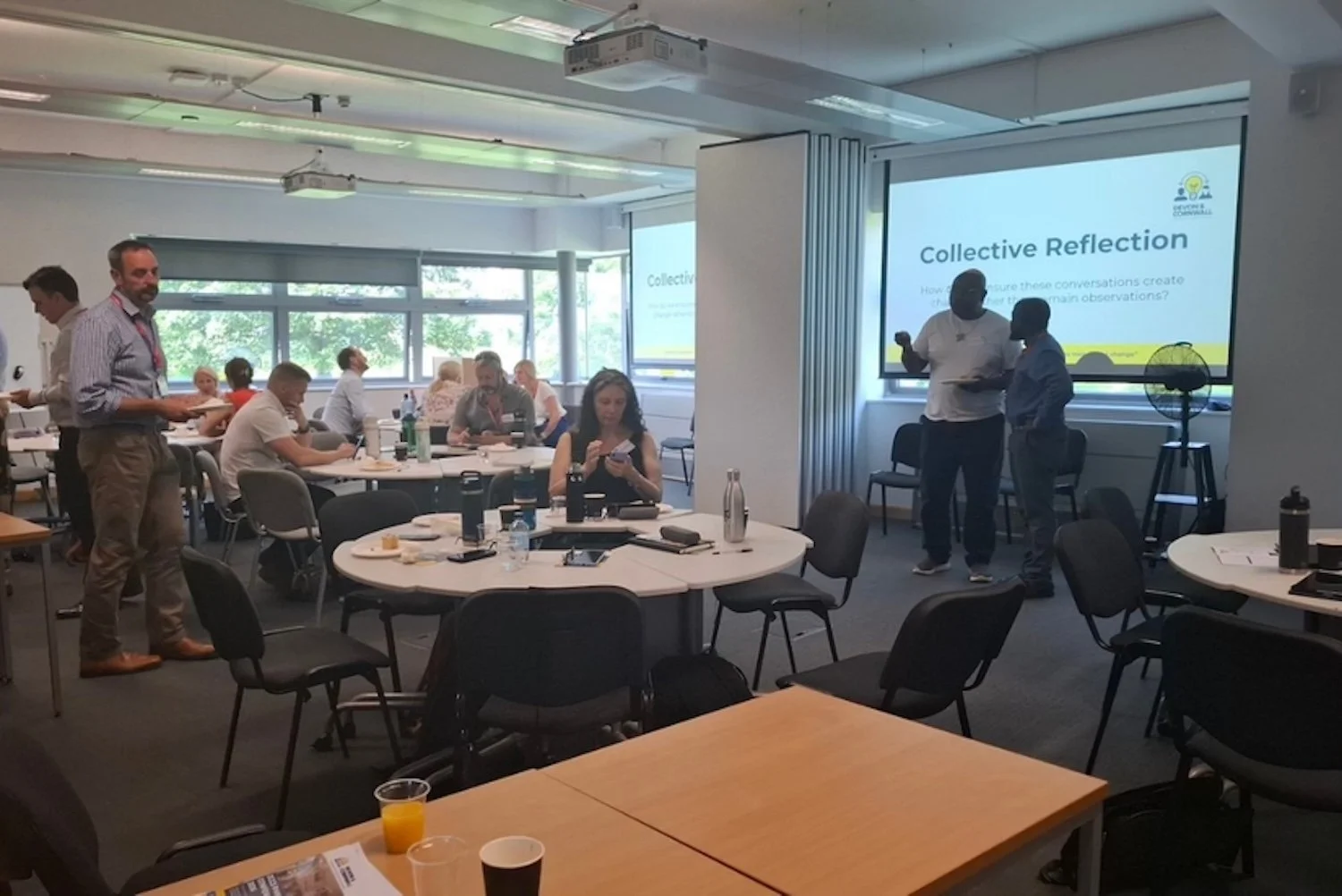
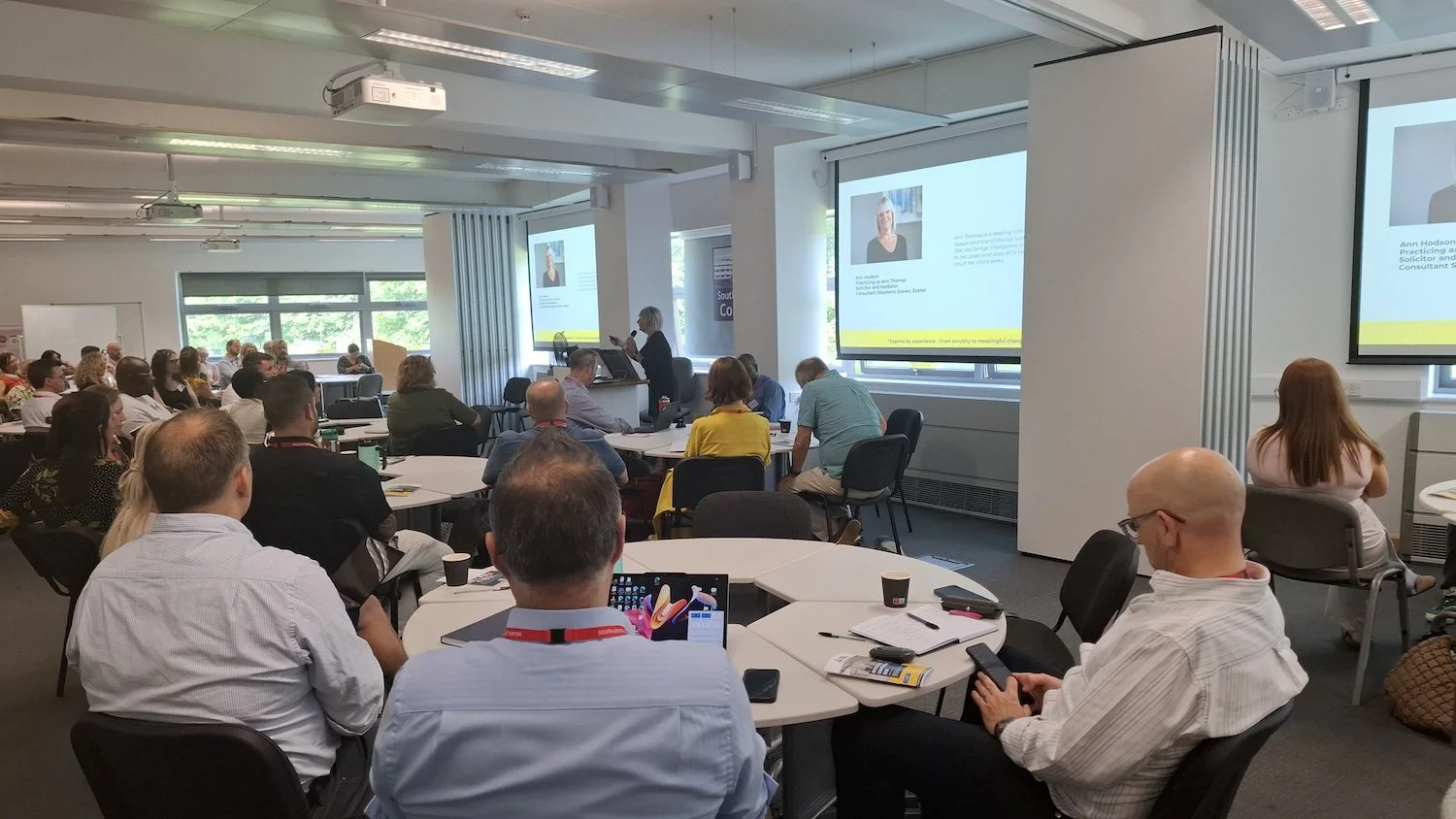
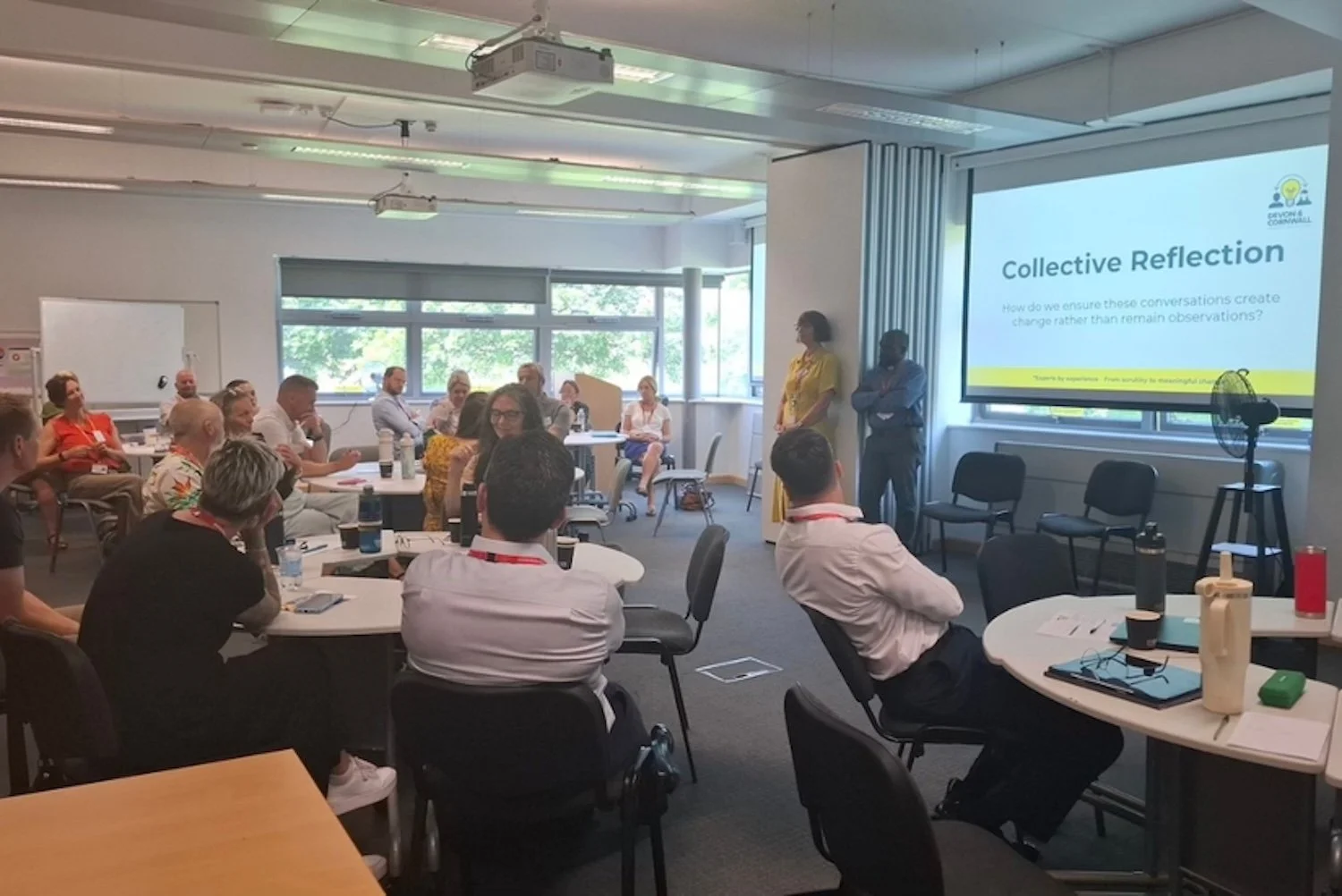
DCCS Panel members along with Chief Inspector Tom Cunningham, Karen Janicka (BWV Subject Matter Expert for Devon & Cornwall) and welcomed new panel members.
This month’s cases were filtered for both Stop and Search and Use of Force
Before observing body-worn footage selected by the panel from the previous month's cases, the Chair reminded panel members of wellness practice and the opportunity for debriefing at the end of the meeting.
The following report identifies points to action, D&C Police responses, case assessments and outstanding areas that require investigation.
Body-Worn Video Assessment .
Body-Worn Video Assessment .
ASSESSING D&C POLICE STOP AND SEARCH [S&S]
JULY 2026 REPORT (3-5PM)
Body-Worn Videos
Via Microsoft Teams, at the start of each case BWV Systems Administrator Karen Janicka, played the clip selected by the panel before members completed their anonymous assessment, discussed and submitted the below feedback.
Chief Inspector Tom Cunningham circulated this report with actions and recommendations to D&C Police Basic Command Unit, Operations Department, Learning and Development, Force Stop and Search Lead and Force Use of Force Lead.
All confirmed discussions, decisions and/or actions taken by officers and supervisors following receipt of the DCCS Panel report are identified in bold blue text.
Panel members use GOWISELY as part of their scrutiny assessment. It is an acronym that officers must use to provide information to a subject before the Stop and Search. If the GOWISELY procedure is not followed then the S&S is highly likely to have been unlawful.
GROUNDS of the search
OBJECT of the search
WARRANT card [if not in uniform]
IDENTITY [officer name & number]
STATION [where officer is based]
ENTITLEMENT to receipt
LEGAL power used
YOU are detained for S&S
S&S Case 1 - Officers smelled cannabis coming from a vehicle with the window open and observed a bag of suspected cannabis on the dashboard. The female passenger stated the cannabis was hers, but officers suspected the male driver was in possession because it was on his side of the vehicle and he was rolling a cigarette as they approached.
Actions to be commended:
Communication and de-escalation of the situation: The panel highlighted that the officers, especially the female officer demonstrated outstanding leadership and control by maintaining a calm, highly patient, and respectful demeanor under pressure. By balancing a firm, no-nonsense authority with an accessible and clear communication style, they successfully defused potential flashpoints and stabilized the situation.
Clear with the rag-rating: Officers demonstrated professional standards by delivering clear, accessible explanations of legal procedures and legislative grounds. By maintaining structured, transparent communication, including the effective use of RAG-ratings as noted by the panel they ensured the process was understandable and accountable to all parties involved.
Investigation, responses and learning required with:Procedural Precision in Delivering Legal Rights and Grounds: Panel members highlighted the importance of officers delivering legal procedures, particularly the caution and the explanation of the grounds for a search, with clarity, at an audible volume, and at a calm, conversational pace.
Assessment of Capacity and Proportional Care: Panel members reflected on the female's apparent vulnerability, noting that she appeared disorientated, isolated and without any visible support during the encounter. They questioned whether her presentation was the result of intoxication, a mental health condition, or another factor affecting her understanding and engagement. The panel recognised the importance of officers remaining alert to signs of vulnerability, considering welfare needs alongside enforcement activity, and making appropriate enquiries where concerns arise. Members also discussed the value of adapting communication to an individual's presentation, including delivering the caution at a pace that allows it to be understood.
Multi-Agency Safeguarding and Systemic Support: Panel members reflected on the female's apparent vulnerability, observing that she appeared sad and alone during the encounter, with no visible support person present. This prompted discussion about the role of advocacy and wider safeguarding arrangements for individuals who may be vulnerable.The panel also recognised the increasing demand on policing in responding to incidents involving mental health and other complex vulnerabilities. Members acknowledged that there are limits to what the police can achieve in isolation and discussed the importance of effective partnership working with health, social care and other agencies. They noted that coordinated multi-agency support is essential to address the underlying issues contributing to vulnerability and to ensure individuals receive appropriate ongoing care beyond the immediate police response
Response received from visiting BCU Commander
“Thank you, and thank you for those comments. Karen, from what I saw, the stop and search was being carried out by a sergeant and a PCSO. Is that correct? Right, that's helpful. I also don't expect you to answer this, as you probably don't have any more information than I do, but I don't believe they had a vehicle nearby. I mention those two points deliberately because PCSOs have more limited powers than their sworn police officer colleagues. That meant the sergeant was managing two individuals, drug paraphernalia, suspected drugs, and possibly drug use or other factors contributing to the behaviour you've described, while also managing the overall threat, risk and harm.
At the same time, the sergeant had to ensure the safety of the PCSO, who would not have had the same personal protective equipment as a police constable, such as handcuffs or PAVA spray. There was a lot going on that an untrained observer probably wouldn't notice. I say that because it adds even more weight to your observation that the sergeant managed to keep the interaction calm and prevented it from escalating unnecessarily. It's interesting because we watch a lot of these encounters where the default position is to apply handcuffs early. In this case, the decision was not to do that.
Forgive me if I'm repeating someone else's point, but there was some discussion about whether it was appropriate to mention handcuffs. While actually applying them may not have been necessary, making the possibility clear can sometimes be an effective de-escalation technique. It communicates: "We're trying to resolve this calmly but firmly. Please don't put us in a position where we have to escalate matters by using handcuffs." Nobody wants that—not the officers, not the individuals involved, and certainly not members of the public nearby. I thought there was a good balance in how that was managed. The point you made about the lady's presentation is also a valid one. We don't know what was influencing her behaviour. It could have been mental health, substance use, the cannabis that had been found, alcohol, or a combination of factors. If alcohol had been involved, the officers would almost certainly have detected it. There is always a balance to strike when deciding at what point you intervene to check on someone's welfare. That depends on how they are presenting.
We all have different thresholds for concern, and sometimes the effects of substances can either mask or exacerbate underlying issues. Asking someone if they're okay is therefore a sensible way of trying to understand what is happening. Whether you receive a meaningful answer is another matter, but it's certainly an appropriate way to establish some of the factors that may be influencing the situation. The point about the speed at which the caution was delivered is also a fair one. As police officers, we become so familiar with delivering the caution that it almost becomes muscle memory.
We tend to say it at a pace that feels comfortable to us because we want to make sure we get the wording right. However, the point you've made is an important one: not everyone is in a position to understand what those words actually mean. During a voluntary interview, we would normally spend time explaining the caution in plain English. Sometimes we overlook the fact that this may be the first time someone has ever heard it. Many people also associate it with being arrested. We have to explain that they are not under arrest, but that we are providing them with the legal protections afforded by the Police and Criminal Evidence Act so they understand their rights before answering questions.
Sometimes that explanation gets lost because we're so focused on delivering the caution exactly as written. It's something for all of us to remain conscious of, particularly those of us who have been in policing for a long time. The caution is an important safeguard, and sometimes we can lose sight of its significance because we've said it so many times.. Overall, I think we've all echoed the view that this was a really outstanding observation in this particular scenario.”
S&S BWV 1 ASSESSMENT
D&C POLICE RESPONSE TO S&S BWV 1
Officer’s response not received
Panel response:
S&S Case 2 - Police responded to a report from a security guard that a group of youths had forced entry into a derelict building with a history of criminal damage and arson. Officers found the group on the premises and, suspecting their involvement in offences, searched them for tools used to gain entry or cause damage, and for any items that may have been taken from the building.
Actions to be commended:
Communication and Positive Engagement: Panel members praised the officers' communication throughout the encounter. They observed that the officers remained calm, respectful and approachable, taking time to explain each stage of the stop and search process. The rapport established with the young people created a relaxed and non-confrontational atmosphere, encouraging cooperation and helping to build trust and confidence in policing. Several members commented that this was an excellent example of how positive engagement can influence young people's future perceptions of the police.
Professionalism and Procedural Fairness: The panel commended the level of professionalism demonstrated throughout the encounter. Members valued the respectful manner in which the officers conducted the searches, including waiting for a female officer to search the female. They also recognised the officers' clear explanations of what they were doing and why, reinforcing fairness, transparency and respect. Overall, the encounter was viewed as an example of policing carried out with dignity and professionalism.
Investigation, responses and learning required with:Safeguarding and Individual Needs (Children) : Whilst recognising the encounter as a positive example of policing, panel members discussed the importance of considering individual circumstances when engaging with young people. This included questions about safeguarding considerations for children aged 15 and 16, as well as how officers respond when someone discloses that they are autistic. Members recognised that officers should remain aware of individual needs and consider whether any reasonable adjustments or additional safeguarding measures may be appropriate based on a person's presentation and circumstances.
Decision Making based on Intelligence: Panel members sought greater understanding of the information available to officers before the stop and search took place, particularly the intelligence that informed their decision-making. While members accepted that officers had grounds to act, they were interested in understanding the wider context beyond the information provided by security staff. This reflected a desire to better understand police decision-making and the legal basis for stop and search, reinforcing public confidence through transparency.
Response received from visiting BCU Commander
“One aspect that particularly struck me from the body-worn video was the natural conversation taking place before the stop and search. I think they were discussing something like a Netflix series. Those everyday conversations are an important way of building rapport, particularly with young people. While there may still be a generational difference between officers and those they engage with, finding common ground helps reduce tension and creates a more relaxed atmosphere.
That can make a real difference in preventing what could otherwise become a more confrontational situation. In relation to the question about the intelligence and the circumstances that led to the stop and search, I'm afraid I don't have that information available, so I can't comment on the specifics. Karen may be able to add something at the end if there is any further context.
Karen, I also raised a question in the chat about whether any Public Protection Notices (PPNs) were submitted. For everyone's benefit, a PPN is completed when officers encounter someone who may have additional needs or where safeguarding concerns are identified, including when dealing with children or young people. In my experience, we are not always as consistent as we could be in completing PPNs following a stop and search involving a child. Claire, your earlier comment made me reflect on that. If it were my daughter, I would want to know if she had been stopped and searched by the police. We cannot always assume that a young person will go home and tell their parents about that interaction.
Closing that safeguarding loop is an important consideration and one we should continue to reflect on. Karen, perhaps you can confirm later whether a PPN was submitted in this case. My own daughter is 13, and while I hope she never finds herself in a situation where she is stopped and searched, if she did, I would want the interaction to be conducted in exactly the same professional and respectful way we saw here. Waiting for a female officer to carry out the search was entirely appropriate, proportionate and non-confrontational. The question asked whether the stop and search rules are different for children. While officers must always exercise additional sensitivity when dealing with young people, the legal powers and procedures remain the same.
There is no requirement for an appropriate adult to be present during a stop and search, as requiring one could unnecessarily delay what is intended to be a relatively brief encounter. What is required is that officers conduct the search professionally, proportionately and in accordance with the law, with the interaction recorded on body-worn video and, where appropriate, witnessed by colleagues.
There was a really good question that was raised that was a really valuable question about the young person mentioning that he was autistic. I heard that comment as well, although I can't say with certainty whether the officers heard it, given everything that was happening at the time. It does raise an interesting point for future practice. Perhaps we should consider routinely asking a simple question at the beginning of a stop and search, such as, "Is there anything I should know that would help me communicate with you today?" or "Do you have any additional needs or neurodivergent conditions that you'd like me to take into account?"
That could help officers adapt their communication from the outset. Even where that question isn't asked routinely, if an officer becomes aware that someone may be autistic or has another additional need, it's always worth pausing to ask whether there is anything they can do differently to support that person during the interaction. It's a small adjustment, but it demonstrates that we are treating people as individuals rather than taking a one-size-fits-all approach. For me, that would be the finishing touch to what was already a very positive encounter.”

S&S BWV 2 ASSESSMENT
D&C POLICE RESPONSE TO S&S BWV 2
Officer’s response not received
Panel response:
S&S Case 3 - Officers stopped a male who matched the description of a suspect reported to have stolen items from a property. He was located in the area where the suspect was believed to have fled, and officers suspected he was in possession of the stolen jewellery box and jewellery.
Actions to be commended:
Control of the Encounter: Panel members recognised that the officers maintained control throughout an encounter that had the potential to escalate. Despite the challenges presented by the individual's behaviour, the officers remained composed and professional, ensuring the situation was managed safely without unnecessary conflict. Members acknowledged that the officers communicated appropriately under difficult circumstances and that the interaction remained proportionate.
Investigation, responses and learning required with:Recognising Vulnerability and Assessing Wellbeing: Panel members questioned whether sufficient consideration had been given to the individual's presentation and wellbeing. Several members observed signs that he appeared confused, was slurring his speech and may have been intoxicated or otherwise in an altered state. Members felt there was a missed opportunity to ask simple welfare questions, such as whether he was okay or required assistance, which may have helped officers better understand his condition and adapt their approach accordingly.
Communication, Patience and Explanation: Whilst members recognised that communication can be challenging when an individual appears intoxicated or confused, they felt the interaction would have benefited from greater patience and clearer communication. Some members noted that officers spoke over one another, which may have contributed to the individual's confusion. The panel also felt there was limited conversation to ensure the individual understood why he was being searched, what officers were looking for and the outcome of the encounter. The abrupt conclusion of the body-worn video also raised questions about whether the individual was offered a copy of the search record.
Clarity of Intelligence and Grounds for the Search: Panel members sought clarification regarding the intelligence used to identify the individual. In particular, members questioned whether the description available to officers was sufficiently specific, as more than one person appeared to match the description of wearing black and white shoes. While acknowledging that officers may have had additional information not captured on the body-worn video, the panel felt that greater clarity around the identification process would provide reassurance that the correct individual had been selected.
Response received from visiting BCU Commander
“ A couple of points have already been made. Naturally, we're comparing this encounter with the previous two, which were both of a very high standard. As a result, this one feels slightly below that benchmark. In relation to the identification, I specifically heard a reference to a jewellery box. Ian, your point about the black and white trainers also crossed my mind.
When the officers got out of the car, it initially looked as though they were approaching one of the younger individuals before moving to the man who was eventually searched. I don't know whether that was the case, as we don't know what information the officers had. Karen may be able to clarify later, but I would hope the description was more detailed than simply "black and white trainers", even if that was the only part we heard on the body-worn video. Like many of you, my impression from the footage was that the individual appeared to be under the influence of something, and significantly so.
That brings us back to an earlier discussion about what "even better" might look like. What should the aftercare or follow-up be for someone who is clearly impaired? If nothing else, there's a practical consideration. If that person is left where they are, there's every chance the police could receive another call a short time later about the same individual causing concern. Based solely on what we've seen, and recognising we don't know what happened after the cameras stopped recording, it felt as though there was a missing conversation at the end. Something along the lines of: "We've searched you because you matched the description. We haven't found anything, so you're no longer part of our enquiries. Is there anything else you need?" That could also include considering whether the individual needed any support.
For example, did they have somewhere safe to go? The sleeping bag they were carrying might suggest they were homeless or otherwise vulnerable. We don't know that for certain, but based on what we've seen, it felt as though there was an opportunity to think about what happened next for that individual. There were also comments about communication between the officers, and I would agree with those. In the previous two encounters, one officer took the lead while the other allowed that conversation to take place. In this encounter there was more back-and-forth between the officers, which may have made communication more difficult, particularly when speaking to someone who appeared to be intoxicated and may not have been fully processing what was being said. In those circumstances, slowing the conversation down and ensuring one officer leads the interaction may have improved understanding. Overall, I think communication between the officers could have been clearer.”

S&S BWV 3 ASSESSMENT
D&C POLICE RESPONSE TO S&S BWV 3
Officer’s response not received
Panel response:
ASSESSING D&C POLICE USE OF FORCE [UOF]
JULY 2026 REPORT (3-5PM)
Body-Worn Videos
Panel members use PLANTER as part of their Use of Force scrutiny assessment:
PROPORTIONATE amount of force implemented
LENGTH of force used
ACTIONS of subject warranted use of force
NECESSARY to use force to protect the subject, officers or members of the public
TYPE used was minimum appropriate
ETHICAL to use force in the situation
REASONABLE for officer(s) to employ
UOF CASE 1 - Police responded to a report of an assault and damage to a shop front. During the call, a female suspect was heard making threats to harm others. An ambulance also attended after receiving a report that the female had suffered a seizure.
Actions to be commended:
No specific actions were consistently identified by the panel as examples of good practice. While members acknowledged that the officer eventually asked how the individual wished to be addressed, they felt this was overshadowed by the overall tone of the interaction and did not outweigh the concerns raised regarding professionalism and communication.
Investigation, responses and learning required with:Professional Standards and Respectful Communication: Panel members expressed significant concern about the language and tone used throughout the encounter. Members felt the officer's manner was inconsistent with the standards expected of professional policing, describing the interaction as overly familiar, flippant and, at times, dismissive. Comments such as "this little lamb" and repeated apologies for inappropriate language were viewed as unprofessional and did not reflect the respectful communication expected when engaging with members of the public. Several members also felt that the humour and commentary risked undermining the seriousness of the situation and could have unnecessarily escalated tensions.
Respectfully Establishing Gender Identity: The panel discussed the way the individual's gender identity was addressed during the encounter. Members noted that there appeared to be uncertainty, with different services referring to the individual differently, and felt there was a missed opportunity to ask a clear and respectful question at an early stage about how the individual wished to be addressed. The panel considered that doing so would have removed ambiguity, demonstrated respect for the individual and enabled officers to communicate consistently throughout the interaction. Members also noted that this information is relevant to police recording processes and should be established professionally where appropriate.
Maintaining Professionalism When Managing Vulnerability: Panel members questioned whether the officer's communication style was appropriate given the individual's presentation and the circumstances of the incident. Members felt the interaction lacked empathy and professionalism, particularly where the individual may have been vulnerable or unwell.
Response received from visiting BCU Commanders
“ Regardless of the order we watched these videos in, I don't think we would have reached a different conclusion about this encounter. This isn't a comparison with the previous examples; it falls below the standard we would expect in its own right. I'll be honest, there were moments in that video where I found myself wishing the officer would simply stop talking. Claire made the point early on about the language that was used, referring to the individual as "this little delight" and then shortly afterwards as "this little one". That immediately set the tone for the interaction and felt unprofessional.
If we strip the situation back to the basics, the officers were dealing with someone who may have had vulnerabilities that needed to be assessed, alongside possible medical concerns that should have been addressed as a priority. The individual had allegedly committed offences, including assaulting a member of the public and causing criminal damage. If those offences were to be investigated, the appropriate course of action would have been to arrest the individual, ensure they were medically fit, and then deal with the investigation within the controlled environment of custody. That would have allowed officers to communicate professionally, provide any necessary care or support, and, once the individual was fit to be interviewed, deal with the investigation under the protections provided by the Police and Criminal Evidence Act. Much of what followed felt like an unnecessary distraction. Had the only issue been some awkwardness around terminology or uncertainty about how to ask questions relating to gender identity, that could have been understood as a learning opportunity. Officers will sometimes get their language wrong, and that can be addressed through guidance and experience.
However, when that is combined with the overall tone of the interaction, the flippant language and the lack of professionalism, it becomes something much more significant. Taken as a whole, the encounter fell well below the standard we would expect or feel comfortable standing behind. Thinking back to our earlier discussion, would I be content for my 13-year-old daughter to be on the receiving end of that interaction, regardless of the circumstances? Absolutely not. In terms of prioritising feedback, this is the encounter that sits at the top of the list from this afternoon. I think it provides an important opportunity for the officer to review their own body-worn video and reflect on the interaction.
My expectation is that, on watching it back, they would recognise many of the concerns that have been raised today. There also needs to be a conversation with the officer about the standards we expect when engaging with members of our communities, regardless of their gender identity, background or personal circumstances. The professionalism we demonstrate should be consistent in every interaction. About the other officer who was present. Your observation is absolutely valid. We often say that the behaviour we walk past is the behaviour we accept. If we stand by while a colleague conducts an interaction that falls below the expected standard, we miss an opportunity to support them and protect public confidence. Sometimes being a good colleague means quietly stepping in and helping to steer the interaction back on track. We've spent a lot of time equipping officers with the confidence to ask respectful questions about gender identity where it is relevant. A simple, professional question such as, "How would you like me to address you?" or "How do you identify?" can establish the information officers need without creating confusion or causing offence. The important point is to ask the question based on the person's circumstances today, rather than relying on information from previous police contact, which may no longer be accurate. People's circumstances can change, and our response should always reflect the individual in front of us. One example like this does not define the service as a whole, and we regularly see officers handle these situations extremely well. However, one example is still one too many, and this encounter highlights that there is more work to do to ensure officers consistently communicate with professionalism, respect and sensitivity in every interaction.”
D&C POLICE RESPONSE TO UOF BWV 1
Officer’s response not received
Panel response:
““I wouldn’t want the final video we reviewed today to be the lasting impression everyone takes away. While there are clearly learning points from that encounter, and we will ensure those are addressed, it’s equally important to remember the positive examples we have seen today. We have reviewed some excellent examples of policing. I hope you leave today recognising that these encounters demonstrate the professionalism and commitment shown by our offi cers every day. Please don’t think that every police interaction refl ects the shortcomings we identifi ed in the fi nal case. Instead, I hope you’ll remember the many examples of good practice we have seen, while also taking reassurance from our commitment to address the areas where improvement is needed. Thank you all again for your time, your honesty and your continued support. Have a restful evening, take care, and we look forward to seeing you again soon.””
Legal Requirements
Officers are mandated to switch on their body-worn video (BWV) cameras from the beginning of any incident. During a Stop and Search, officers must provide specific information to the person being searched. While there is no strictly prescribed order, the College of Policing recommends using the mnemonic GOWISELY to ensure all statutory elements are covered.
For Use of Force, the College of Policing toolkit outlines PLANTER as a structured approach to ensure actions are justified and proportionate.
What is Procedural Justice?
Panel members score each BWV case using a consistent academic framework to inform how well the officers did in meeting legal requirements but also in the way they treated the person being stopped. Procedural Justice involves the pillars outlined below:
Voice: Was the subject allowed to give their side of the story or ask questions (within reason)?
Neutrality: Were the officer’s decisions unbiased and guided by transparent reasoning?
Dignity and Respect: Was the subject treated with courtesy and respect throughout the encounter?
Trustworthy Motives: Did the officer seek to explain and encourage understanding?
Accessible communication: Was the language used clear and easily understood by the subject?
Appropriate Tone: Was the tone of voice calm, respectful, and suitable for the situation?
Interested in making a difference?
Improve accountability, transparency and trust between D&C Police and the communities they serve.
Receive free training, work alongside inspiring individuals and help make positive changes.
Scrutinise Stop & Search and Use of Force, or join sub-committees to share your skills or learn new ones.