JUNE 2026 REPORT (7-9PM)

JUNE 2026 REPORT (7-9PM)
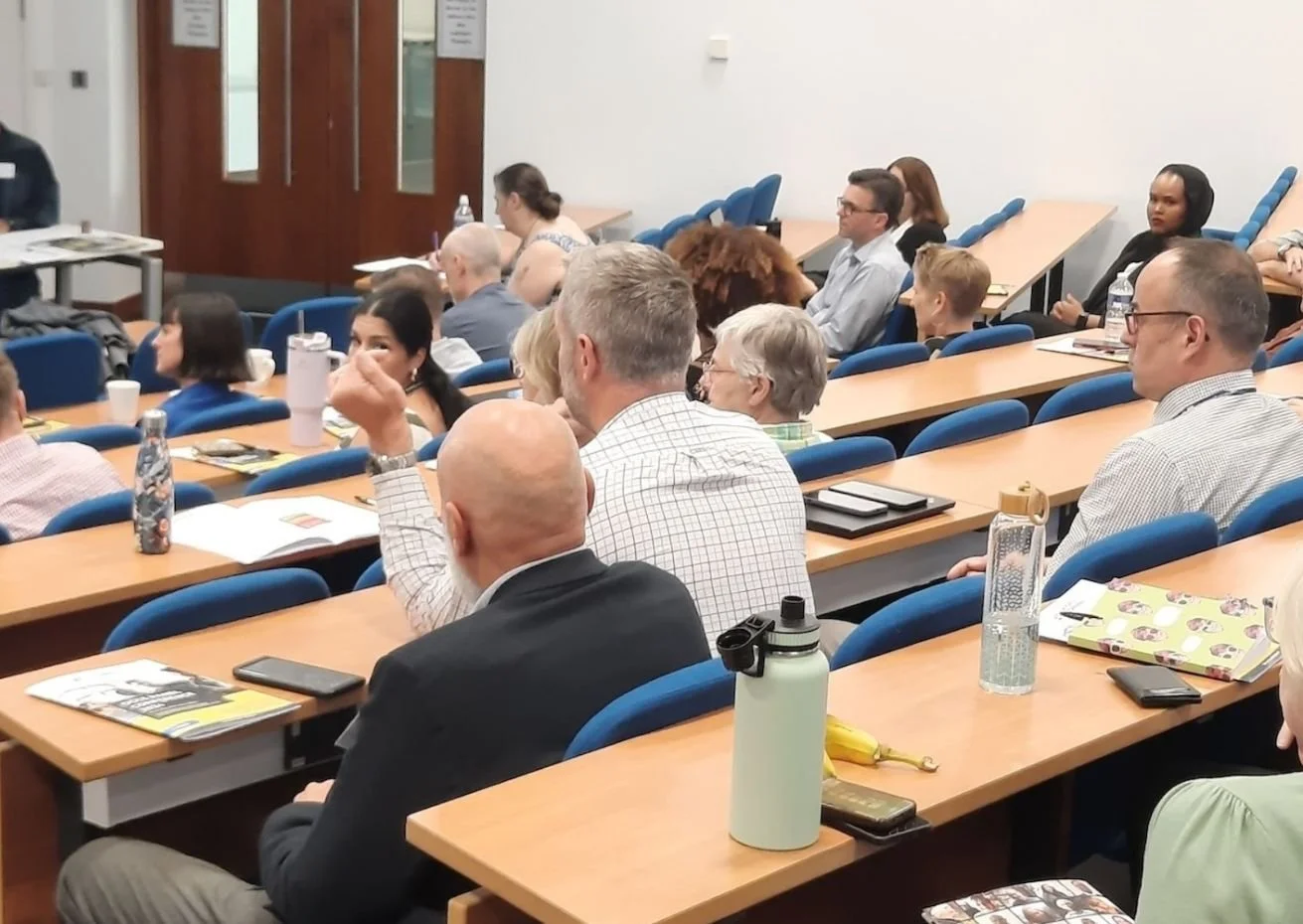
DCCS Panel members along with Chief Inspector Tom Cunningham, Karen Janicka (BWV Subject Matter Expert for Devon & Cornwall) and welcomed new panel members.
This month’s cases were filtered for both Stop and Search and Use of Force as follows:
Thematic: Information to follow
BCU Area: Information to follow
Before observing body-worn footage selected by the panel from the previous month's cases, the Chair reminded panel members of wellness practice and the opportunity for debriefing at the end of the meeting.
The following report identifies points to action, D&C Police responses, case assessments and outstanding areas that require investigation.
Body-Worn Video Assessment .
Body-Worn Video Assessment .

ASSESSING D&C POLICE STOP AND SEARCH [S&S]
JUNE 2026 REPORT (7-9PM)
Body-Worn Videos
Via Microsoft Teams, at the start of each case BWV Systems Administrator Karen Janicka, played the clip selected by the panel before members completed their anonymous assessment, discussed and submitted the below feedback.
Chief Inspector Tom Cunningham circulated this report with actions and recommendations to D&C Police Basic Command Unit, Operations Department, Learning and Development, Force Stop and Search Lead and Force Use of Force Lead.
All confirmed discussions, decisions and/or actions taken by officers and supervisors following receipt of the DCCS Panel report are identified in bold blue text.
Panel members use GOWISELY as part of their scrutiny assessment. It is an acronym that officers must use to provide information to a subject before the Stop and Search. If the GOWISELY procedure is not followed then the S&S is highly likely to have been unlawful.
GROUNDS of the search
OBJECT of the search
WARRANT card [if not in uniform]
IDENTITY [officer name & number]
STATION [where officer is based]
ENTITLEMENT to receipt
LEGAL power used
YOU are detained for S&S
S&S Case 1 - Officers detained a male who ran and was located nearby after he fled from police when asked to stop, having just been seen speaking to another male on a suspected stolen motorcycle in an area experiencing multiple recent motorbike thefts and attempted thefts.
Actions to be commended:
De-escalation: The officer was praised by the panel for keeping a very calm and steady voice for the majority of the interaction, which helped lower the tension and settle the situation down late, which was highlighted as an example of good policing.
Inclusivity in terms of Self identification: The panel noted that the officer made a positive effort to ask the young person about their ethnicity.
Investigation, responses and learning required with:
Legal Rights and Grounds: The panel noted that the object and legal power of the search were not clearly heard.
Communication: The panel recommended that officers talk through and narrate a search as they are doing it, especially with young people.
High-Risk Tactical Equipment: The panel raised reflections around the deployment of specialized tactical gear, like stinger deflation devices, inquiring about the procedure around the use of these equipment.
Response received from visiting BCU Commander
"I agree with all of those comments. I think I did hear the object being mentioned and it was articles related to being involved in the theft of a motorbike, but I agree, I think I didn't hear the legal power. I think I would have liked to hear them sort of rush through the search, and recognising the young lad said, 'you know, I know how this works, I've been searched before,' I still think that would have been useful to do.
He did have a very calming voice. I mean, I know the officer got riled a little bit and sort of said, 'you know, don't tell me how to do my job' and not swear, et cetera, but I think for the majority of the time he was calming, and things de-escalated as the interaction went on. And those silences were probably due to the officer just filling in the form and the paperwork on his device.
Just one thing to note, in the background, you probably saw the other officer getting out a device. That was a stinger. So that's the tire deflation thing that we throw across the road. Just out of your interest for that one, we do have a, and this is a problem sort of nationally, people know that policies in relation to pursuit of motorcycles, traditionally, it was a big no, no, never, never used to do it. So that did sort of empower the criminal class thing: So that has changed in recent time, however, as you can imagine, there's a lot of policies around that to make sure that it's done in a relatively safe manner."
S&S BWV 1 ASSESSMENT
D&C POLICE RESPONSE TO S&S BWV 1
Officer’s response not received
Panel response:
S&S Case 2 - The rider was linked to a stolen moped that was actively involved in the theft of another moped.
Actions to be commended:
Go-wisely: The panel noted that Go-wisely was delivered calmly and effectively, highlighting it as a positive example compared with previous BWV presentations.
Investigation, responses and learning required with:
Communication: The panel highlighted that the individual was taken through the process very quickly, with little consideration given to whether she fully understood what was happening. It was also noted that she was not informed that the body-worn video (BWV) camera was recording, nor was the purpose of the recording explained.
Presence of a Female Officer: The panel noted that a male officer conducted the search and did not take the opportunity to explain that, had a female officer been available, she could have carried out the search. This gave the impression that the officer proceeded without considering or communicating alternative options.
Record Retention (Photographs Taken): Questions were raised regarding the photographs that were taken, specifically where they are stored, why they were necessary, and at what stage they were required. The panel queried why additional photographs were taken when the interaction was already being captured on BWV.
Response received from visiting BCU Commander
"Thank you for all those comments. I think I agree with the vast majority of them. My own feedback was that after she was initially detained, he talked through everything very quickly, but I didn't see any sort of checking for any understanding. And then you're right, Maria, you picked up on this. We did start going straight into that search without explaining what he was doing. He literally went straight into the pockets without narrating or anything. So I did feel that that could be a lot better. There was no turning her, explaining that the camera was on and that it was there.
And then the issue about the photos. It's fairly common practice to sort of go and review CCTV and sort of track back if you've had a situation and track what people are wearing, so I'm not concerned about that. You're quite right about the retention of the photographs, though certainly in public order operations that I'm involved in, we're quite common on this because there was a case in the Met several years ago, where people have had their photo taken, and then we've proved that they're not involved in any criminality, and the case was around what happens to those photographs, and we need to have some way of disposing of them.
Body worn video, we've got all of that policied; in custody when you take photos, that's all policied. We need to make sure that once those inquiries have taken place, those photos are destroyed and we get rid of them. It may be that they've helped prove the case and there could be some criminality there that we've managed to sort of prove, that could be a legitimate part of that investigation. So we need to be sort of quite careful in that because we can't have breached that.
The officer didn't sort of explain that there was no female officer there, or sort of even consider whether there was anyone available that could come and assist. It may be that he knew very well that there wasn't anyone, so that could be that, but it would have been helpful to have that explained, I think.
Let me take an action and work out exactly whether it's policies around that type of issue. I mean, I'm content that everything has got an audit trail because everything on that device gets time stamped and all the rest of it. So there's no concern there. But I need to make sure that we do delete it after that investigation. You're quite right. I think he did the first bit explaining why he was taking it, but he didn't do that next bit about, 'Don't worry, we will delete them in X number of days once we've proved or disproved the offence,' et cetera. And given that it was a child, we can talk about accessible language and being able to understand the reasons for a stop search. We're still saying PACE, which has no meaning to most adults, but to a child."

S&S BWV 2 ASSESSMENT
D&C POLICE RESPONSE TO S&S BWV 2
Officer’s response not received
Panel response:
S&S Case 3 - The male was detained because he had been with a friend all day and was at the scene where that friend threatened someone with pepper spray, raising suspicion that the suspect had passed the pepper spray or another weapon to him.
- A male was detained for possessing a weapon and threatening others with it.
Actions to be commended:
GO WISELY: The panel noted that the initial search felt somewhat rushed, with some elements of GO WISELY not being fully delivered. However, the second search demonstrated a more thorough application of the model, with clear explanations provided and the object of the search being communicated effectively
Communication and De-escalation: The panel highlighted that the officer's communication was delivered very quickly, making it difficult to follow and understand. It was also noted that there appeared to be limited effort to de-escalate the situation through communication, which may have affected the overall interaction.
Delivery and Professional Engagement: The panel felt that the overall delivery of the encounter could have been more effective. While officers completed the required actions, the manner in which information was conveyed was not always helpful or engaging, and greater effort to build rapport and explain actions may have improved the experience for the individual involved.
Investigation, responses and learning required with:
Enquiry and Consideration of Circumstances: The panel noted that, upon finding cannabis, there may have been an opportunity to establish whether it was being used for legitimate medical purposes. The panel highlighted the increasing prevalence of prescribed medical cannabis and felt that appropriate enquiries could help officers better understand the circumstances of the individual involved.
Risk Assessment and Operational Response: The panel acknowledged that intelligence suggesting the possible presence of a weapon may have influenced the officers' approach and contributed to the pace of the encounter. It was recognised that such intelligence can require officers to act quickly to manage potential risks and ensure public and officer safety.
Use of GO WISELY: The panel felt that the delivery of GO WISELY was rushed, which reduced its effectiveness. It was noted that GO WISELY is intended to promote transparency, understanding, and positive engagement with the community. The panel highlighted the importance of delivering the model in a clear and meaningful way to ensure its purpose is achieved.
Response received from visiting BCU Commander
"I don't fall out with what you're saying with your feedback there. I agree, it did come across very rushed. They were firearms officers, so they're trained to sort of take control of the situation very quickly, and I think they've fallen into training and relying on those skills that they're doing time and time again, which with a firearm, you've got to take control very quickly—which is why I think we're getting the feedback that it was a bit over the top, although in the eyes of the law, the spray is categorized as a firearm. So I think as they were taking control, the adrenaline's been up and one of the side effects of that is things are rushed. You've had the arrest, you've had the caution, you're having to sort of say, 'I'm arresting you for this,' do the caution, why we're doing that, et cetera, and that all came out very, very quickly.
Normally, what we see, once the handcuffs are on, things sort of settle down, and I think that's the opportunity, exactly what you've said, we need to sort of slow down and make sure that we give that information in a sort of calm way that can be fully understood and not use the language that quite often we do—like we talked about in this case, but in others when you say 'PACE,' what is that? What does that mean to people? So I think that needs to be sort of fed back.
The community resolution that they've obviously gone for for the cannabis, that was well explained, and I like the manner in which the officer spoke to Mum and talked through that and explained that that was really good, but that was sort of very different—we'd settled down, calmed down by the time that we'd got to that aspect.
The question around medical use of cannabis is covered in training. I'm not on the streets anymore, I certainly haven't heard it used routinely as a sort of question. I think people would probably ask the question if they suspected that. Whether a 17-year-old would be prescribed cannabis for that, I don't know, so I don't know whether that would normally be considered for that type of age, and the young lad sort of quite quickly declared that he's got a small amount of cannabis there."

S&S BWV 3 ASSESSMENT
D&C POLICE RESPONSE TO S&S BWV 3
Officer’s response not received
Panel response:

ASSESSING D&C POLICE USE OF FORCE [UOF]
JUNE 2026 REPORT (7-9PM)
Body-Worn Videos
Panel members use PLANTER as part of their Use of Force scrutiny assessment:
PROPORTIONATE amount of force implemented
LENGTH of force used
ACTIONS of subject warranted use of force
NECESSARY to use force to protect the subject, officers or members of the public
TYPE used was minimum appropriate
ETHICAL to use force in the situation
REASONABLE for officer(s) to employ
UOF CASE 1 - Police responded to reports of a male suspect brandishing a knife and threatening to take hostages and harm children, subsequently rescuing his wife from the property after he held a knife to her face and deliberately slashed her chin and she was taken to the hospital.
Actions to be commended:
Communication and De-escalation: The panel highlighted the officers' calm and professional approach throughout the incident. Positive communication was maintained, and the officers demonstrated patience while exploring all available options to resolve the situation. The panel noted that, although the matter may have been resolved more quickly, this may have been due to the absence of officers trained in glass entry techniques.
Investigation, responses and learning required with:Communication During Detention: The panel noted that, although the individual was detained and taken to the ground, there appeared to be limited communication with him during the process. The panel felt that officers should have provided more explanation and engagement to ensure the individual understood what was happening.
Decision-Making: Questions were raised about whether alternative tactical options had been sufficiently considered. In particular, the panel queried whether glass entry at the rear of the property should have been explored, given the possibility that other individuals could have been inside and that further assessment of the situation may have been required.
De-escalation and Use of Third-Party Support: The panel questioned whether someone known to the individual could have been contacted to assist with de-escalation. It was suggested that involving a trusted person may have helped to calm the situation and bring the incident to a resolution more quickly.
Leadership and Strategic Planning: The panel noted that there was no clear evidence of a strategy being developed or communicated during the incident. The panel felt that the officer in charge, particularly the senior officer present, should have been responsible for establishing and directing a clear tactical plan.
Post-Incident Welfare and Aftercare: The panel sought clarification regarding the aftercare provided following the use of a Taser. Questions were raised about what welfare checks, monitoring, and support were offered to the individual after the incident to ensure their wellbeing.
Response received from visiting BCU Commander
"This is a prime example of a firearms operation, which introduces a separate command structure based on the National Decision-Making Model. The Force Incident Manager acts as the Tactical Firearms Commander (TFC) to authorize weapons and strategy, while an Operational Firearms Commander (OFC) manages the tactical plan on the ground. Strategic decisions are ratified by a Strategic Firearms Commander (SFC) at the executive level. This structure slows things down into a highly organized, 'no surprises' approach where the individual is clearly informed they will be arrested.
Regarding tactics, containment is placed on all sides of the building while negotiators work to resolve the situation, carefully managing whether to use a third-party intermediary. Barricades are common, and officers frequently use distraction techniques, such as engaging the suspect at the front while forcing entry through the back.
Regarding glass entry, specialized training (such as by the FSG) is required for extreme actions like window entries due to the severe injury risks posed by glass, even with protective gear. Forcing a glass entry is only done immediately if there is an active, critical threat to life inside. Sieges can last hours because the ideal outcome is wearing the individual down to secure a peaceful surrender, balancing tactical patience against the ongoing risks to the suspect, public, and officers. Dogs are deployed on the perimeter as a contingency in case the suspect attempts to flee.
Finally, regarding the deployment of incapacitant spray, best practice dictates moving the individual into fresh air to diffuse the effects as quickly as possible. While aftercare communication on this point could have been slightly better executed, the operation was ultimately completed successfully and safely due to the professional skills of highly trained officers."

D&C POLICE RESPONSE TO UOF BWV 1
Officer’s response not received
Panel response:
Legal Requirements
Officers are mandated to switch on their body-worn video (BWV) cameras from the beginning of any incident. During a Stop and Search, officers must provide specific information to the person being searched. While there is no strictly prescribed order, the College of Policing recommends using the mnemonic GOWISELY to ensure all statutory elements are covered.
For Use of Force, the College of Policing toolkit outlines PLANTER as a structured approach to ensure actions are justified and proportionate.
What is Procedural Justice?
Panel members score each BWV case using a consistent academic framework to inform how well the officers did in meeting legal requirements but also in the way they treated the person being stopped. Procedural Justice involves the pillars outlined below:
Voice: Was the subject allowed to give their side of the story or ask questions (within reason)?
Neutrality: Were the officer’s decisions unbiased and guided by transparent reasoning?
Dignity and Respect: Was the subject treated with courtesy and respect throughout the encounter?
Trustworthy Motives: Did the officer seek to explain and encourage understanding?
Accessible communication: Was the language used clear and easily understood by the subject?
Appropriate Tone: Was the tone of voice calm, respectful, and suitable for the situation?
Interested in making a difference?
Improve accountability, transparency and trust between D&C Police and the communities they serve.
Receive free training, work alongside inspiring individuals and help make positive changes.
Scrutinise Stop & Search and Use of Force, or join sub-committees to share your skills or learn new ones.