

Welcome to Devon & Cornwall Community Scrutiny Panel’s February Newsletter!
WELCOME TO OUR NEW MEMBERS
WELCOME TO OUR NEW MEMBERS
This month we welcomed new panel members Helen, James, Maria, Martin and Uwem!
“The issues and challenges facing the police service are of interest to me, especially as a member of an ethnic minority and I realise I don’t know enough about how the service works. Learning more and making a contribution are important to me.”
Maria

“I am very grateful for the Panel’s work - you all put so much into this with the sole purpose of making us a better police force and that should be recognised”
BCU Commander Chief Superintendent Scott BradleySince the panel began in 2020, we have been able to serve our community through the generous contributions of local volunteers. Over this time, 43 community leaders have supported independent scrutiny of Devon & Cornwall Police by donating 2 hours of their time once a month.
Anyone over the age of 16 from Devon, Cornwall of the Isles of Scilly is warmly invited to join the panel, along with retired police staff living in the region who haven't held an active role in the last 3 years. To find out more email admin@dccspanel.org.uk

Green RAG Rated Case:
With handcuffing, it is a matter of the officers’ perception on the scene; the environment was dark and there were two subjects requiring vehicle search and control. While the subjects appeared compliant, the officers could not predict changes in behaviour. Moving the driver from the vehicle provides a reactionary gap for risk assessment.
S&S Case 1 - CCTV witnessed driver and passenger using nitrous oxide (Nos)
Actions to be commended:
Search and Procedure: Thorough search of bags and vehicle, well captured on body worn video.
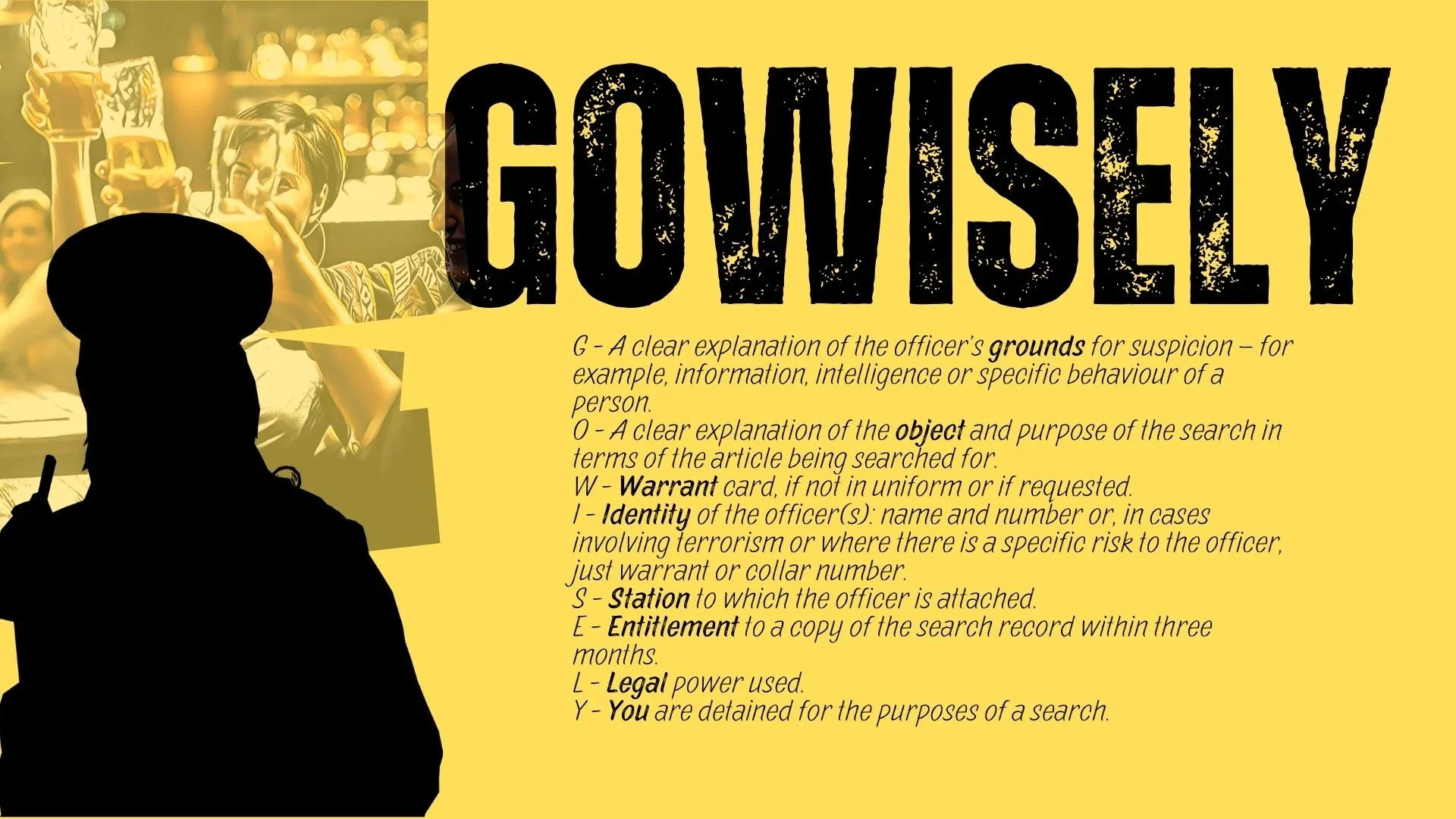
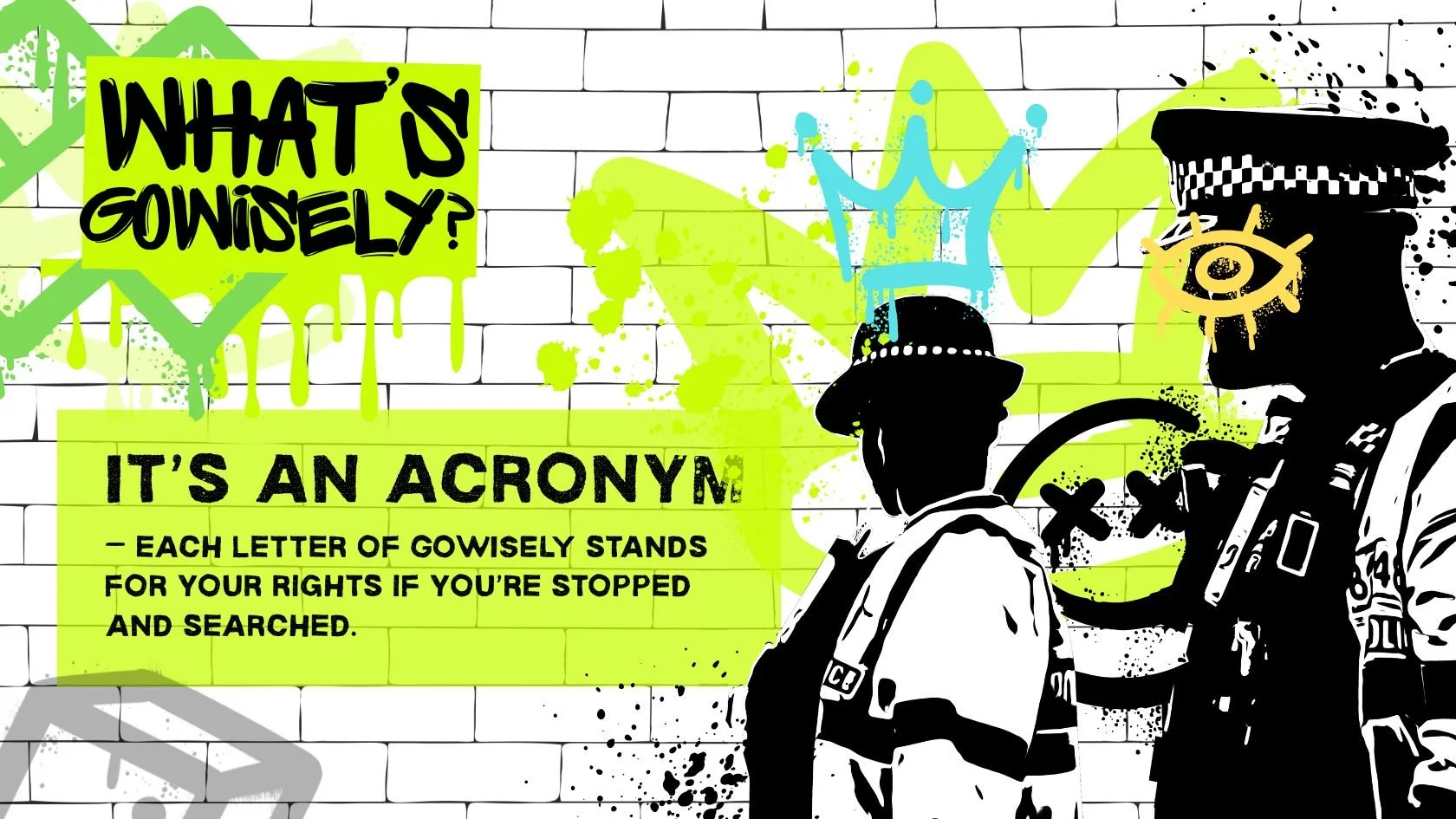
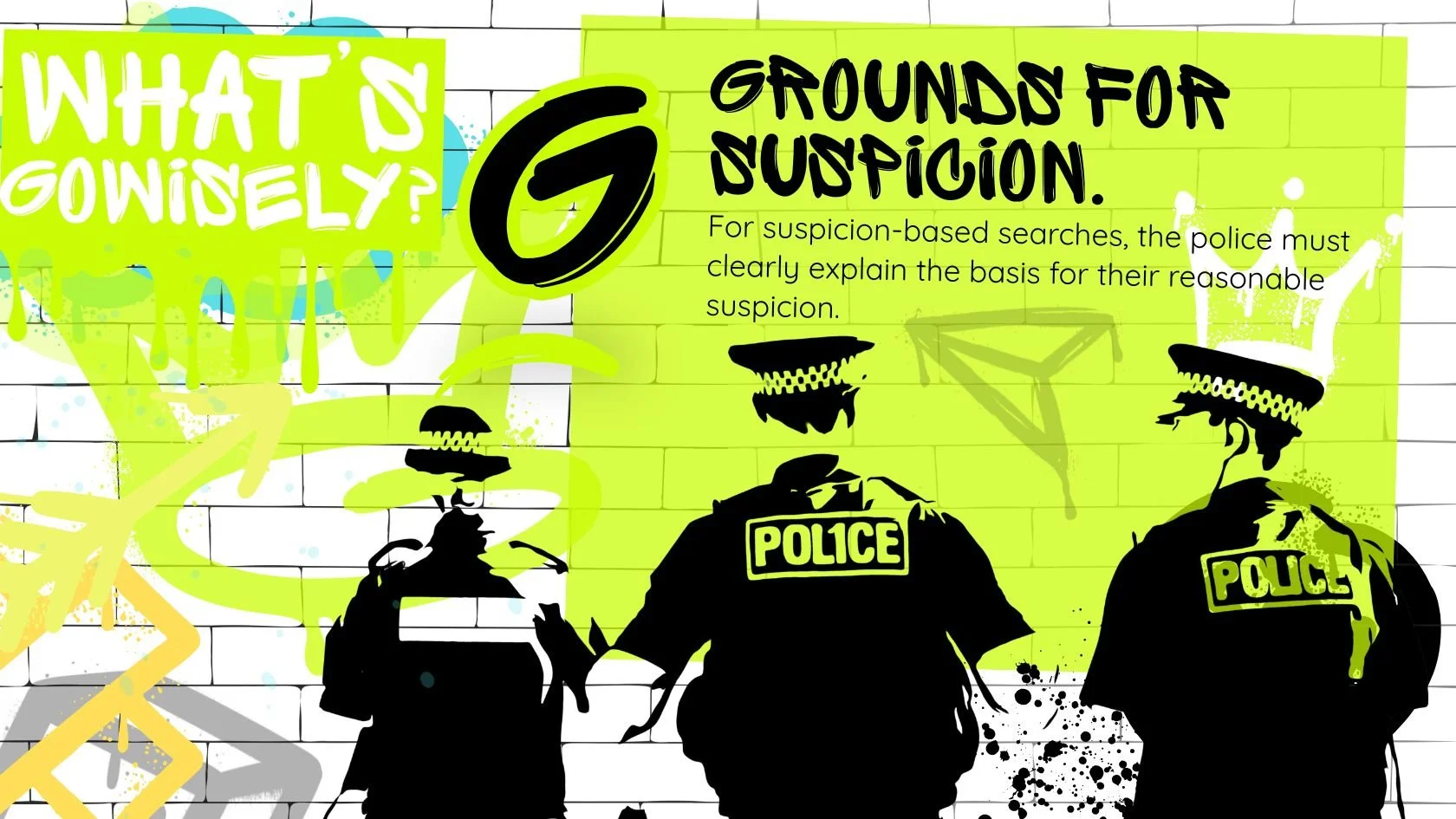
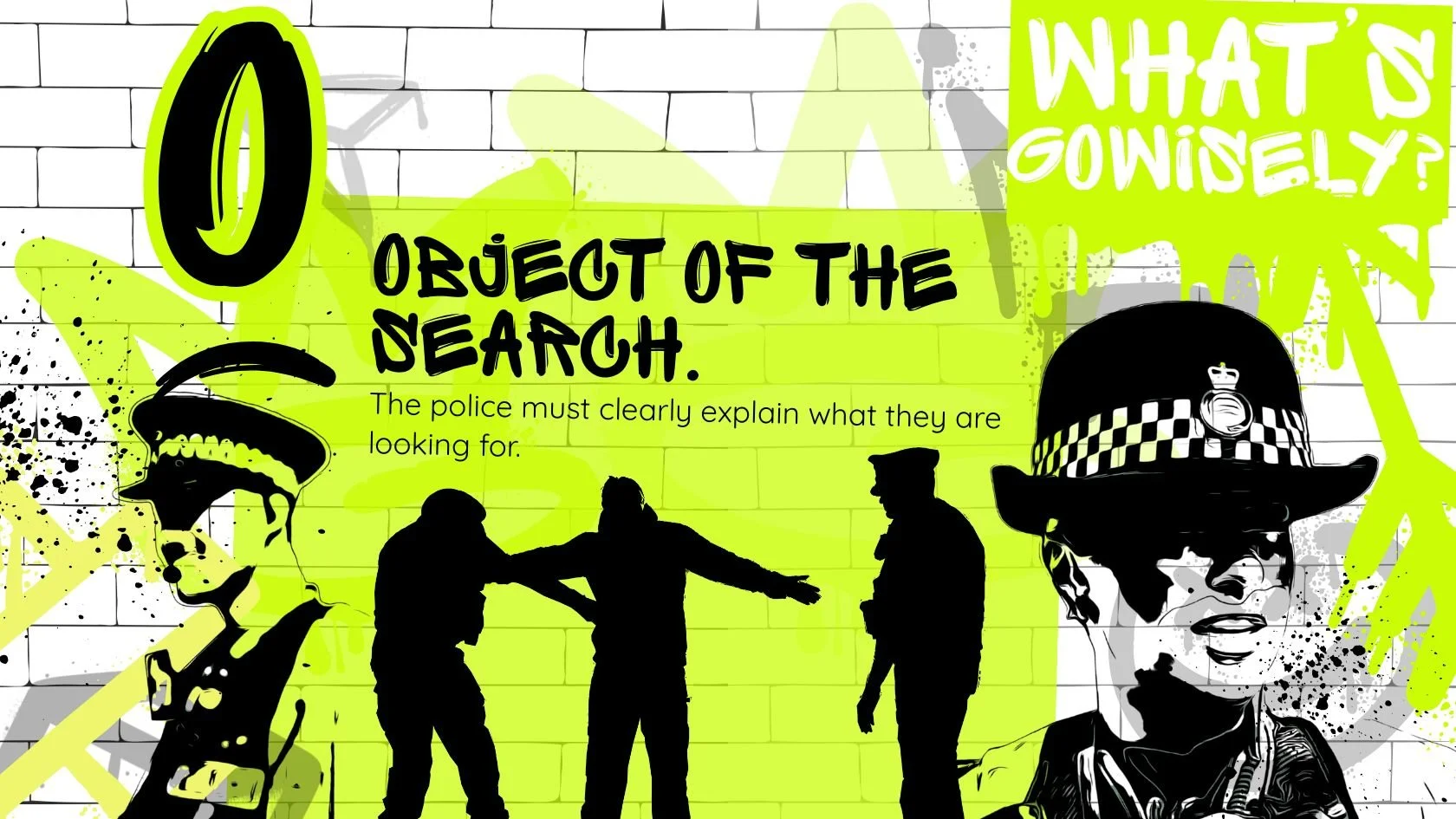
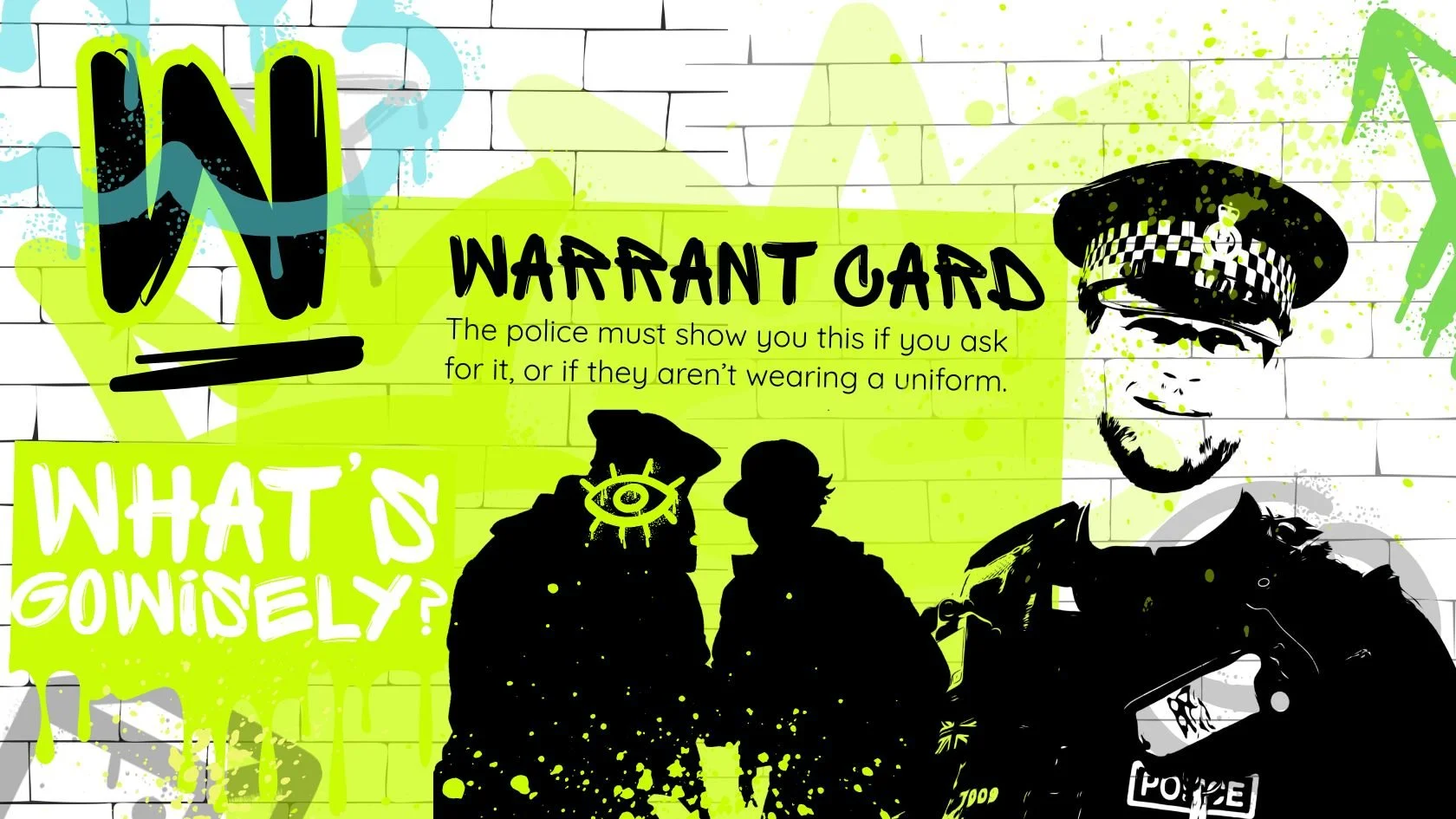
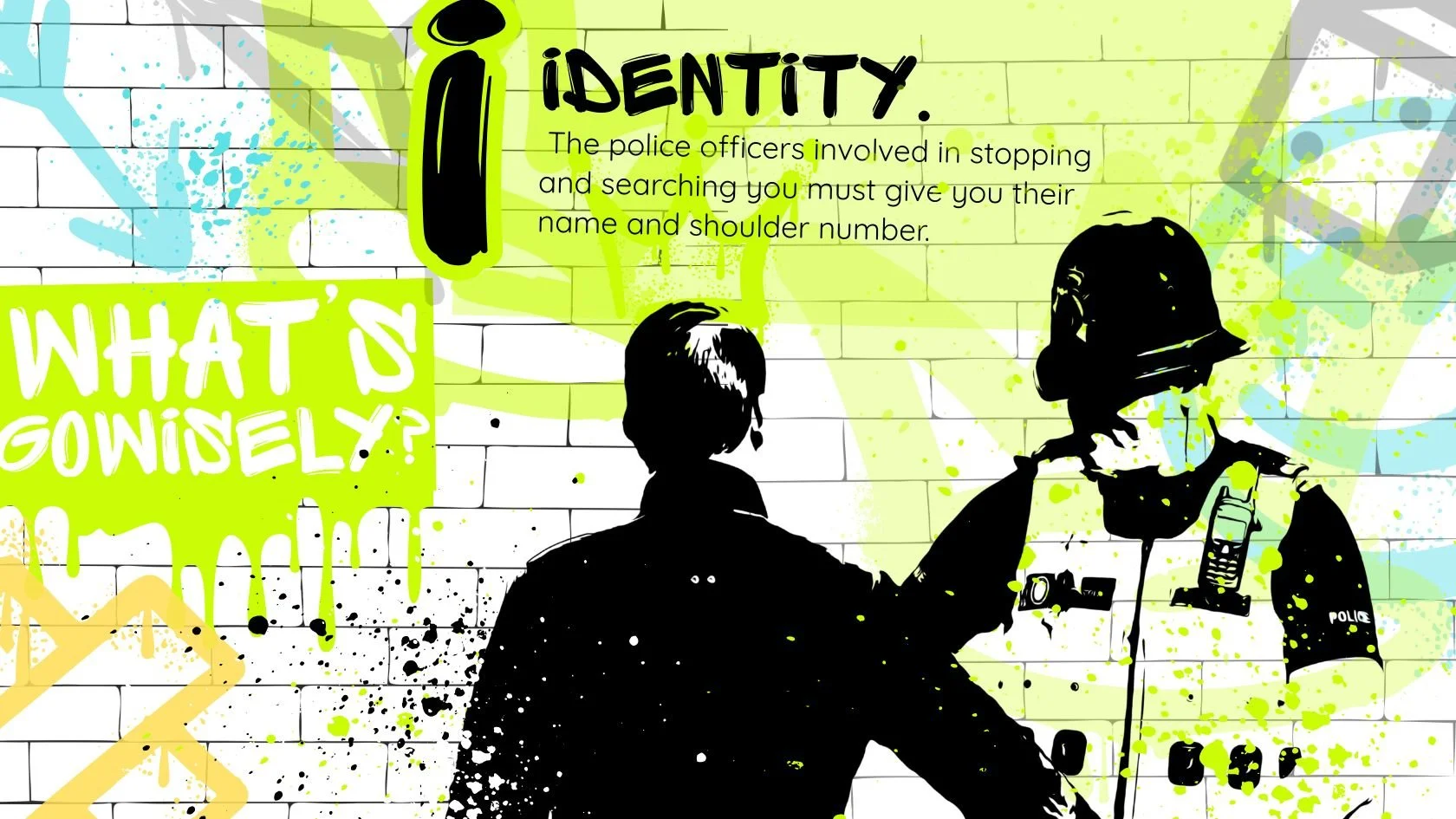
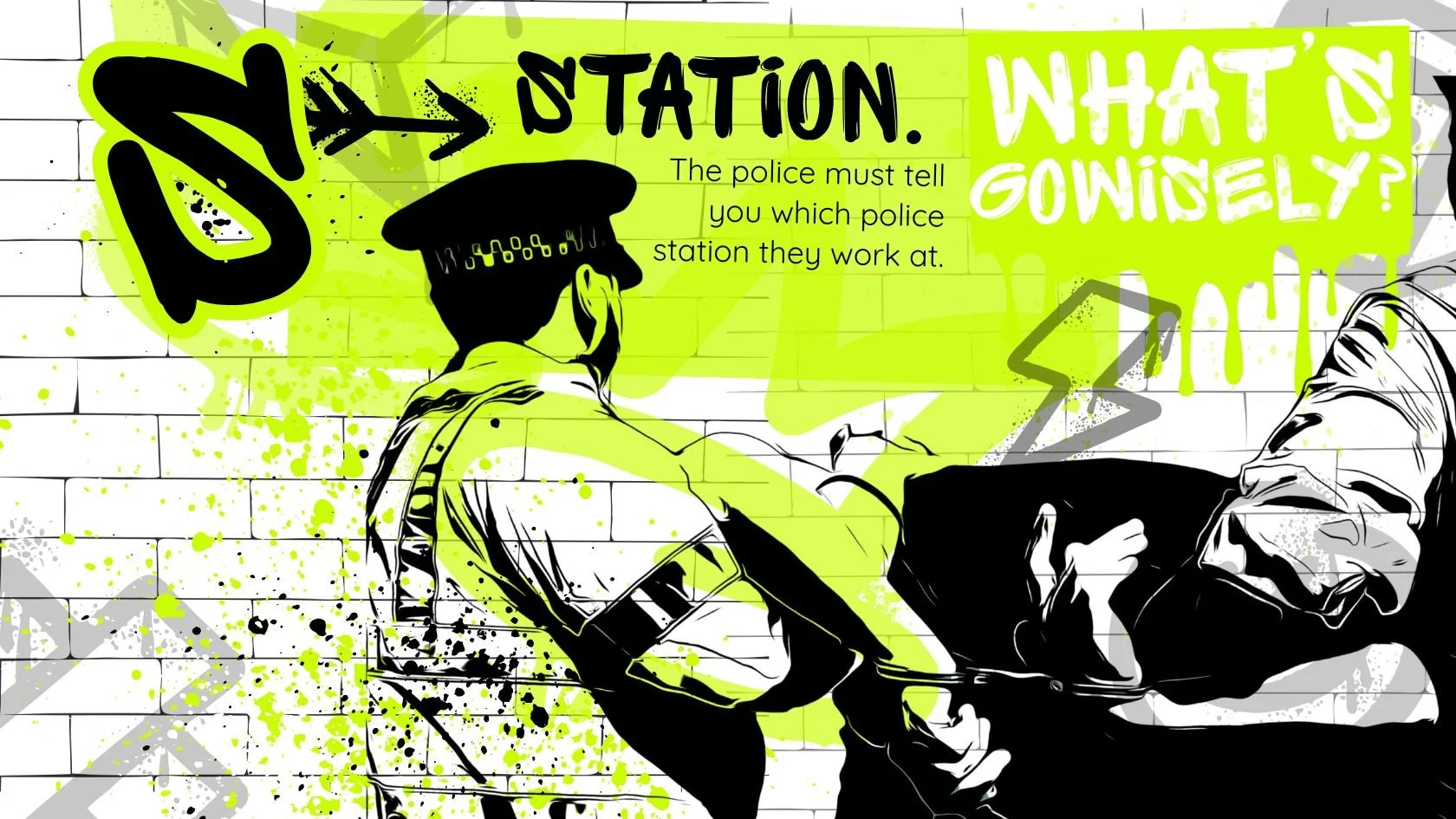
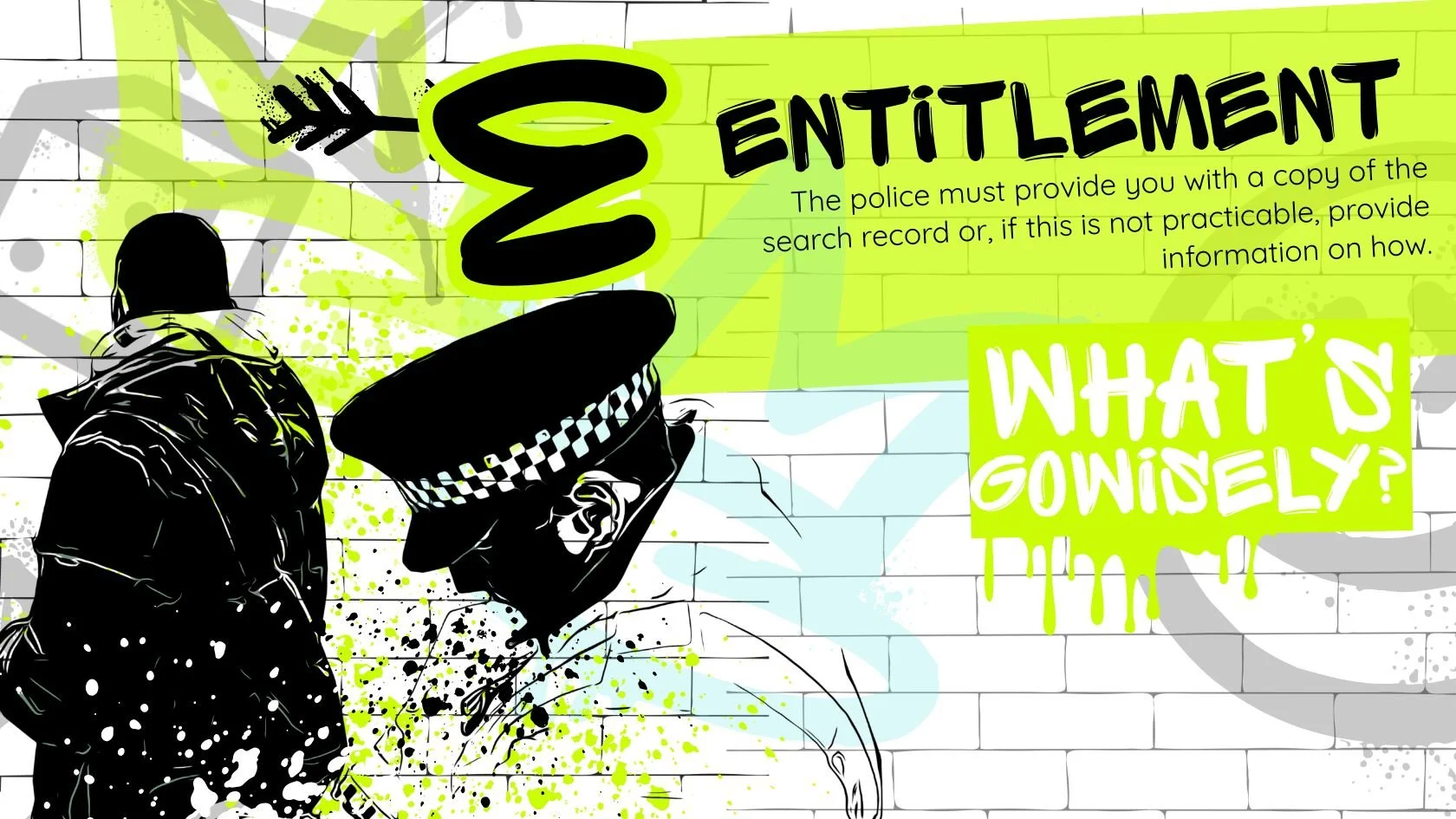
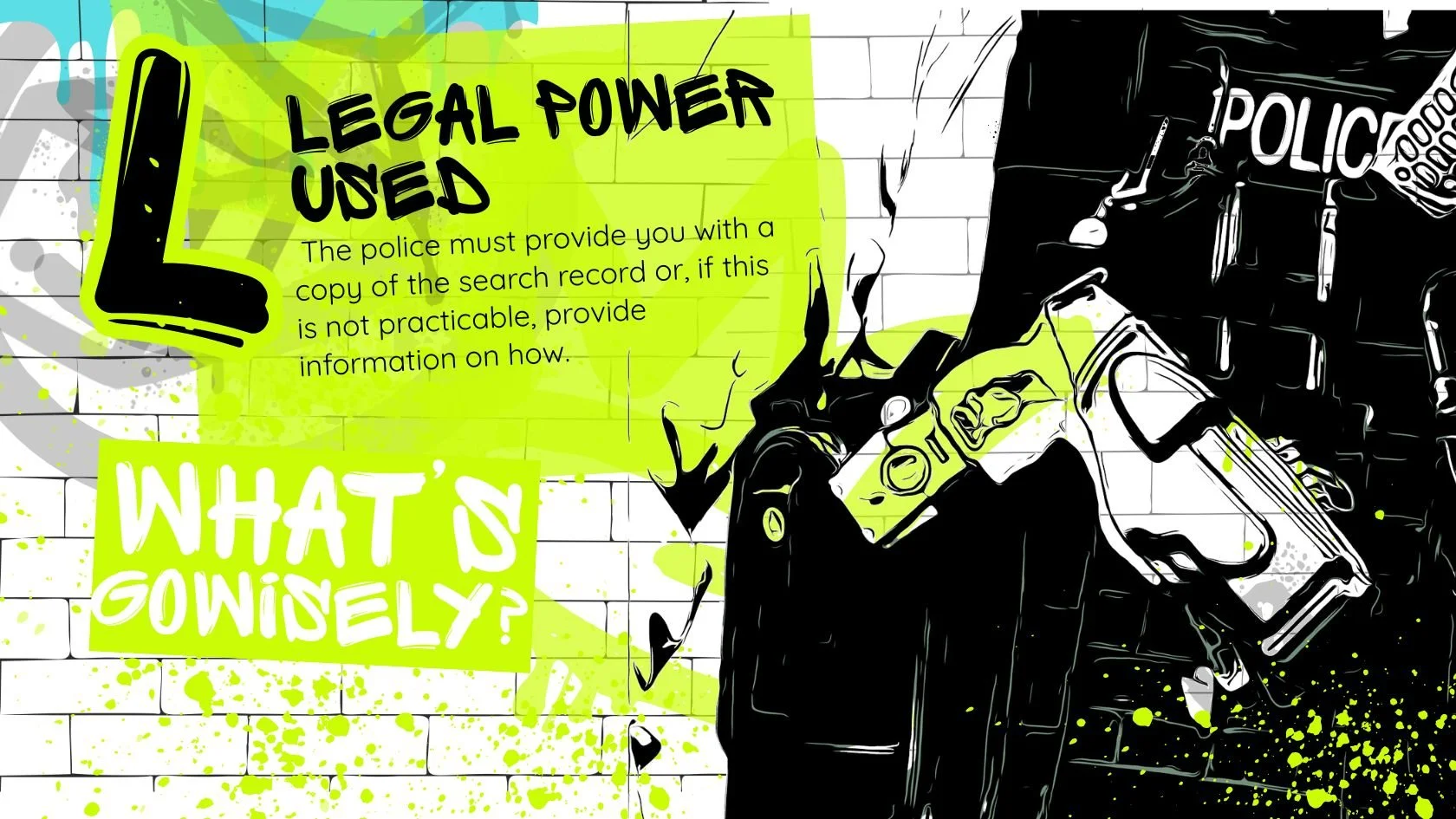
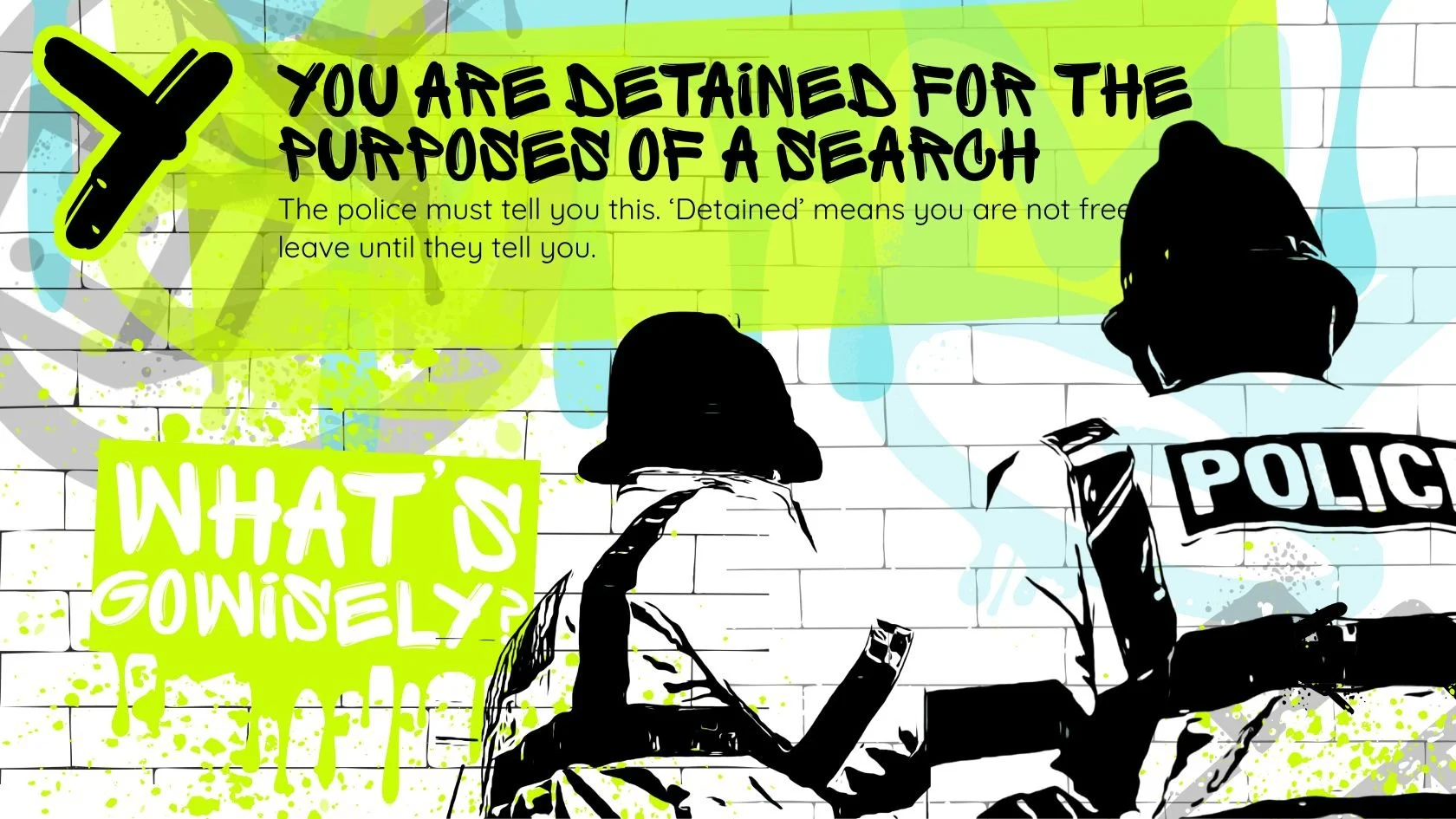
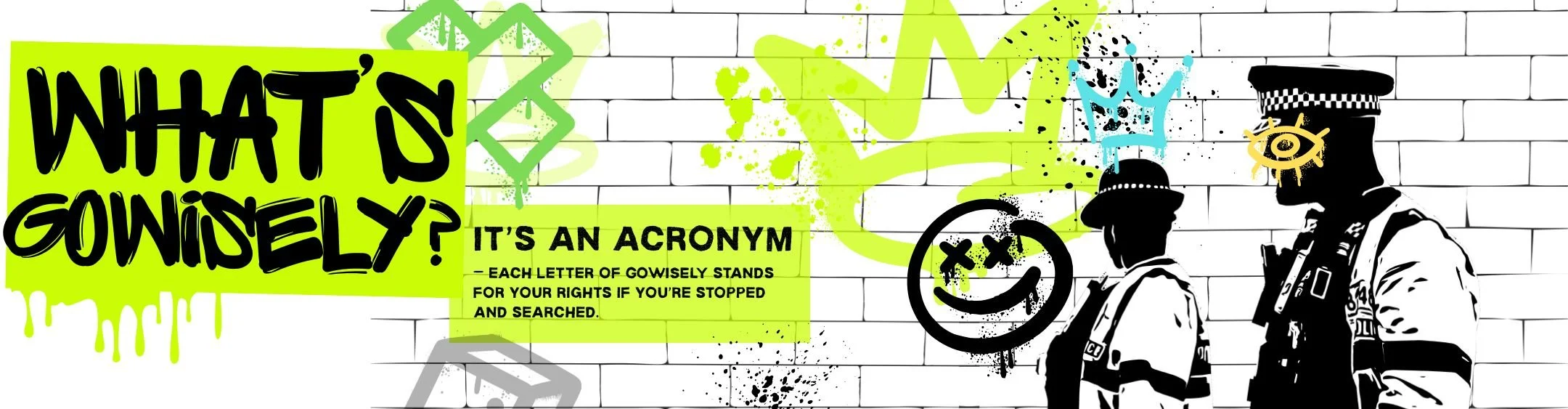
GOWISELY: Officers covered GOWISELY.
Officer Conduct: Officers maintained a calm, polite and professional demeanour.
Necessary: The majority of the Panel assessed the incident as necessary.
Proportionate: The majority reported this encounter as proportionate.
Ethical: Most Panel members agreed it was.
Response received from visiting BCU Commander
“If a subject’s cannabis is medically certificated and supplied then it should be treated like any prescription. Currently a grey area for public-space medicinal cannabis use; absolute necessity must be considered. However, without it, any grinder with drug residue is illegal to possess and can be confiscated. Different forces may adopt different approaches.
Refresher Training
Our last training refresher, with Abi Dymond, ran an online induction DCCS Panel session on
Wednesday 4th February, 13:30–15:30.
Further Training sessions over the next months will appear on social media but if you require to find out more email admin@dccspanel.org.uk
Our training sessions are to raise awareness, build trust and improve disproportionality within Devon, Cornwall and Isles of Scilly. This is free online training for members of the public, young people, local organisations/businesses and the police force once you join the team.

DATA SCRUTINY
Injury from Use of Force
Initial analysis of injuries resulting from Use of Force showed a consistent monthly volume of records. Among those injured, approximately 6% were recorded as having a physical disability and 37% as having a mental disability. However, the quality of race data from June onwards was noted to be poor, making analysis by race unreliable for the panel.
The panel requested that Zoe clarify the distinction between mental health and mental disability, as well as how mental health contributes to the impact factors.
Disproportionality: Stop and search
For Self-Defined Ethnicity, a slight increase was noted in June in the proportion of Stop and Search, with 3% of total stops involving Black/African/Caribbean/Black British individuals.
If you wish to join the next Data Scrutiny Session please email admin@dccspanel.urg.uk to find out more
Conference Planning
(Wednesday 20th May 2026)
Venue options: Exeter University or South Devon College.
Officer attendance: aim to include officers and supervisors who’ve received feedback, not just leadership.
Encouraging attendance of young people aged 16+; ongoing satellite scrutiny sessions with South Devon College and Exeter Uni. DCCS Panel
Proposed potential future hosting at Plymouth University.
Below you’ll find dates for the next online panel meetings with opportunities to meet our members, learn more about the panel’s work and ways you can make a difference:
Upcoming Dates:
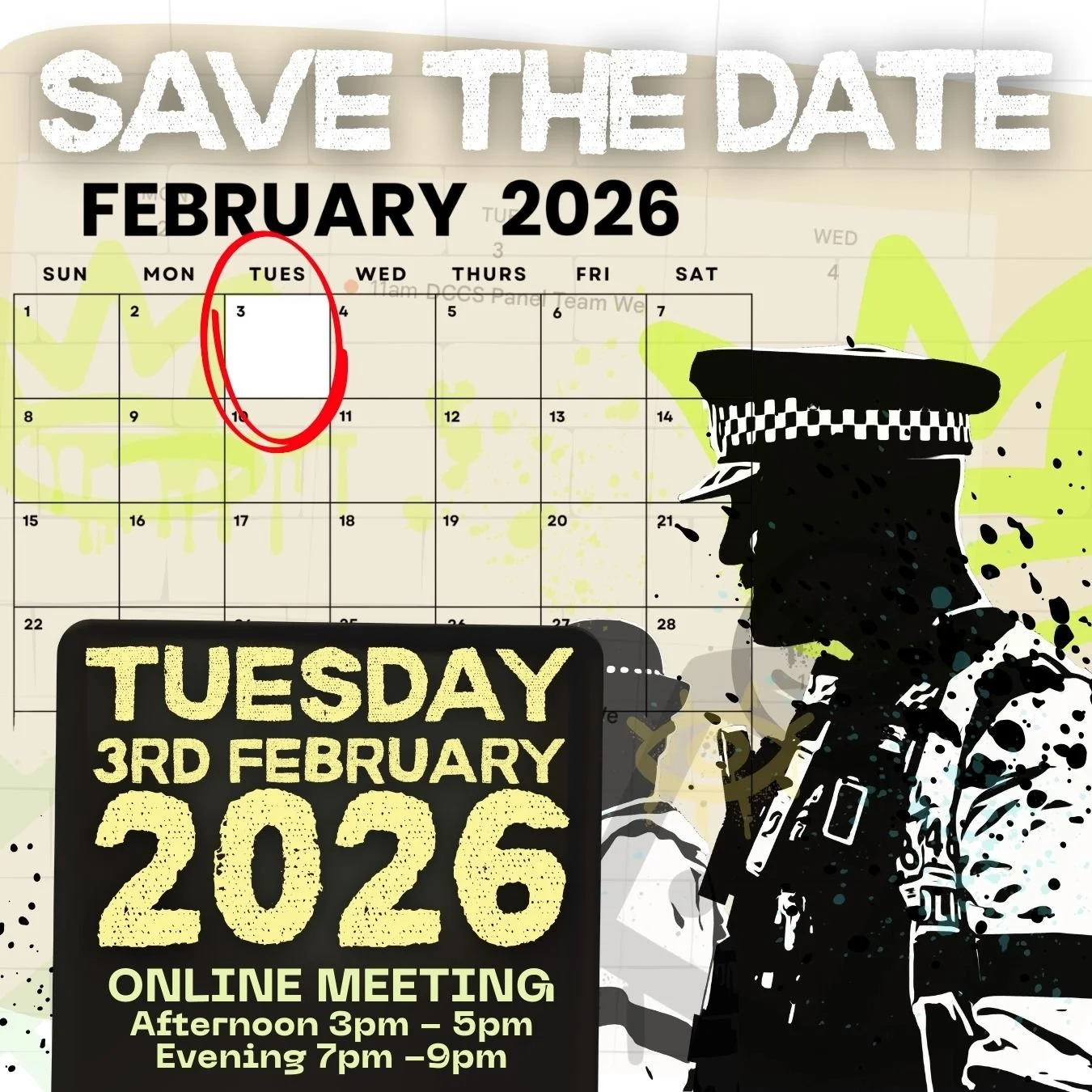
Next Meeting: Tuesday 3rd March • Time: 3–5pm and/or 7–9pm
Agenda: First scrutiny of Stop & Search and Use of Force this year.
RESOURCES
This is the link to various sources and downloadable documents from DCCS Panel, Devon and Cornwall Police, National Police Chiefs Council, IPOC and The College of Policing
Frequently Asked Questions
-
The role of a panel member is to provide an independent voice, free from judgement, where you can express your honest opinion.
D&C Police Senior Leadership Team welcomes community members’ views, knowledge, experiences and challenges.
-
All meetings are open to whoever can fit each meeting in with their busy lifestyle. You only attend if you have the time but you also have the choice of afternoon or evenings to make it more flexible. All meetings are online and last around 2 hours.
-
If you wish to find out more before joining our group you can email us at admin@dccspanel.org.uk and a member of the team will get back to you to answer any of your questions
-
We have been scrutising police videos for over 5 years. DCCS Panel became one of the few police forces in the UK to successfully implement independent community scrutiny to assess local Stop & Search and Use of Force.
-
Despite this, in 2019 His Majesty’s Inspectorate of Constabulary and Fire & Rescue Services (HMICFRS) found continuing failures by forces to review body-worn camera footage, monitoring find rate by ethnicity.
As such external scrutiny panels were set up to ensure such panels were independently chaired and represented by local communities.