NOVEMBER 2025 REPORT (7-9PM)

NOVEMBER 2025 REPORT (7-9PM)
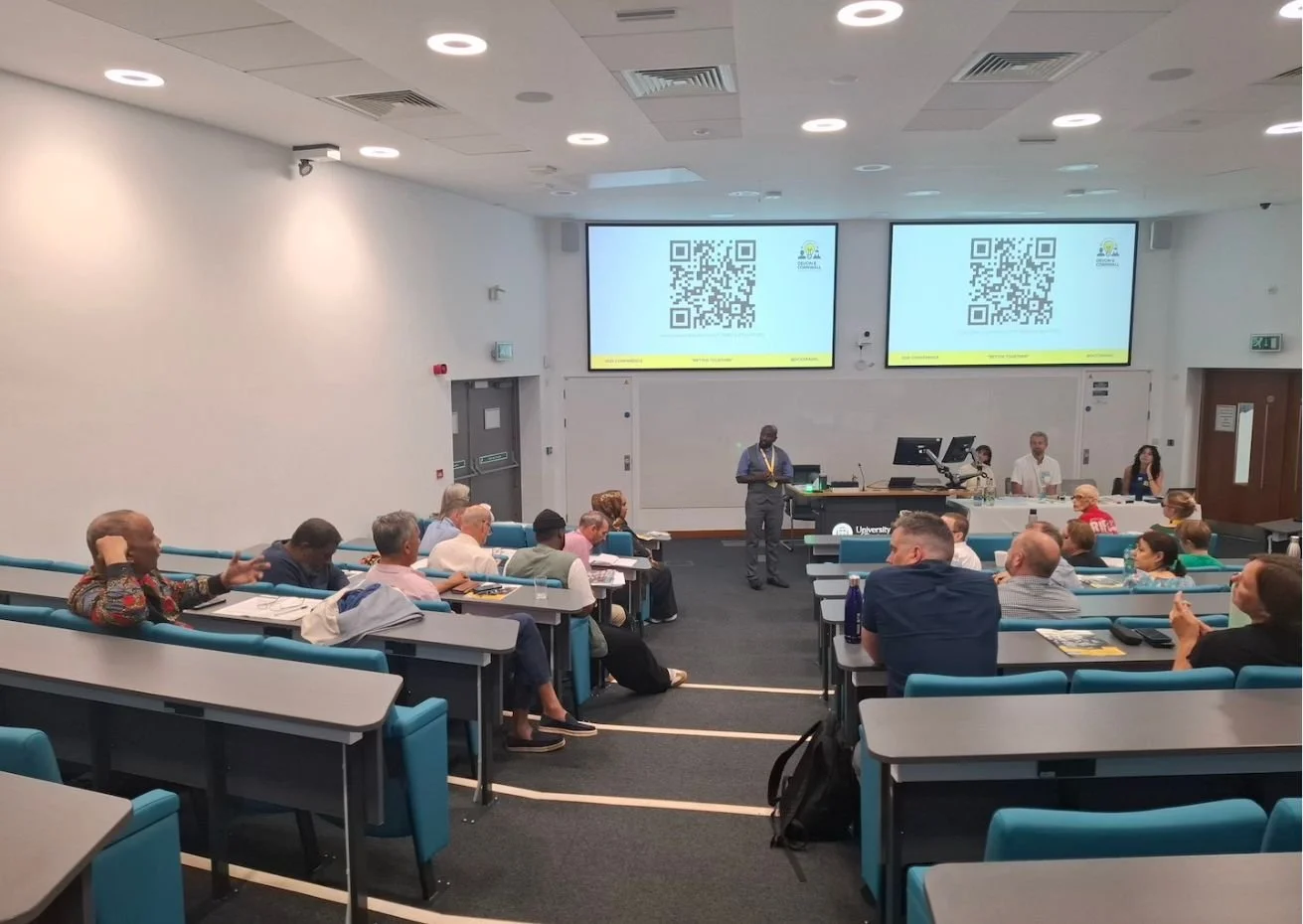
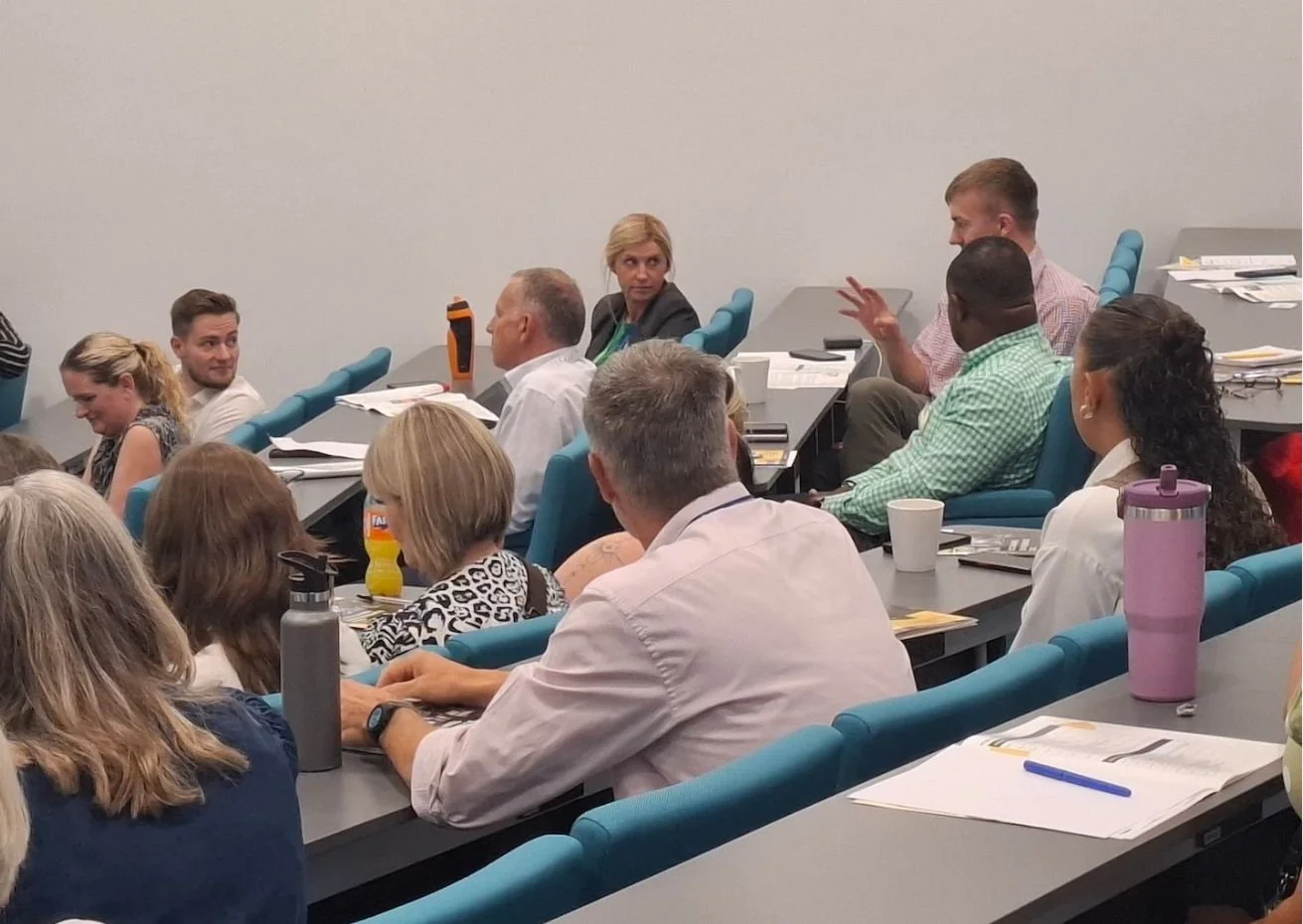
DCCS Panel members along with Chief Inspector Tom Cunningham, Karen Janicka (BWV Subject Matter Expert for Devon & Cornwall) and welcomed new panel members and visiting Visiting BCU Commander of Cornwall and Isles of Scilly - Chief Superintendent Scott Bradley and Sophie Curtis - Cornwall Partnership Inspector
This month’s cases were filtered for both Stop and Search and Use of Force as follows:
Thematic: Officers with higher disproportionality rates
BCU Area: Cornwall
Before observing body-worn footage selected by the panel from the previous month's cases, the Chair reminded panel members of wellness practice and the opportunity for debriefing at the end of the meeting.
The following report identifies points to action, D&C Police responses, case assessments and outstanding areas that require investigation.
Body-Worn Video Assessment .
Body-Worn Video Assessment .

ASSESSING D&C POLICE STOP AND SEARCH [S&S]
NOVEMBER 2025 REPORT (7-9PM)
Body-Worn Videos
Via Microsoft Teams, at the start of each case BWV Systems Administrator Karen Janicka, played the clip selected by the panel before members completed their anonymous assessment, discussed and submitted the below feedback.
Chief Inspector Tom Cunningham circulated this report with actions and recommendations to D&C Police Basic Command Unit, Operations Department, Learning and Development, Force Stop and Search Lead and Force Use of Force Lead.
All confirmed discussions, decisions and/or actions taken by officers and supervisors following receipt of the DCCS Panel report are identified in bold blue text.
Panel members use GOWISELY as part of their scrutiny assessment. It is an acronym that officers must use to provide information to a subject before the Stop and Search. If the GOWISELY procedure is not followed then the S&S is highly likely to have been unlawful.
GROUNDS of the search
OBJECT of the search
WARRANT card [if not in uniform]
IDENTITY [officer name & number]
STATION [where officer is based]
ENTITLEMENT to receipt
LEGAL power used
YOU are detained for S&S
S&S Case 1 - CCTV witnessed driver and passenger using nitrous oxide (Nos)
Actions to be commended:
Search and Procedure: Thorough search of bags and vehicle, well captured on body worn video. Items relating to Nos use were found.
GOWISELY: Officers covered GOWISELY.
Officer Conduct: Officers maintained a calm, polite and professional demeanour.
Subjects were generally treated with dignity and respect.
Effective management of multiple subjects.
Necessary: The majority of the Panel assessed the incident as necessary.
Proportionate: The majority reported this encounter as proportionate.
Ethical: Most Panel members agreed it was.
Investigation, responses and learning required with:Communication: Officers often quiet during search; could have explained steps to the subjects more clearly.
Limited pleasantries or conversational engagement; more empathy could improve the interaction.
Members noted patronising language that should be avoided (‘fella’, ‘mate’).
Transparency: Entitlement rights mentioned superficially in GOWISELY but not fully explained.
Confiscation of grinders not fully explained to subjects; medicinal cannabis scenario unclear. Differences in police practice across forces regarding confiscation of drug residue noted.
Reason for moving the driver away from vehicle not fully explained; likely risk-assessment rationale.
Use of Force: Use of handcuffs questioned; subjects were compliant in a quiet area with two officers. Panel members understand officers can justify their use but best practice would include explanation for why.
Wellbeing: Requests for clothing (coat) by one subject ignored.
Response received from visiting BCU Commander
“If a subject’s cannabis is medically certificated and supplied then it should be treated like any prescription. Currently a grey area for public-space medicinal cannabis use; absolute necessity must be considered. However, without it, any grinder with drug residue is illegal to possess and can be confiscated. Different forces may adopt different approaches.
With handcuffing, it is a matter of the officers’ perception on the scene; the environment was dark and there were two subjects requiring vehicle search and control. While the subjects appeared compliant, the officers could not predict changes in behaviour. Moving the driver from the vehicle provides a reactionary gap for risk assessment.
I understand the point the Panel made about language used, such as ‘mate’ or ‘fella’, being interpreted negatively. Overall, I was quite pleased with what I observed.”

S&S BWV 1 ASSESSMENT
D&C POLICE RESPONSE TO S&S BWV 1
Officer’s response not received
Panel response:
S&S Case 2 - Officer and Police Community Support Officer (PCSO) observed a male changing direction and discarding an item into bushes.
Actions to be commended:
Communication: The PCSO elaborated on the officer’s information - clearly explaining why BWV was recording: “for your safety and ours.”
Humour used to lighten atmosphere, helping reduce tension.
At the end, the officer invited the subject to ask questions and clarified grounds for detention.
Necessary: Most Panel members agreed this search was necessary, some were unsure due to lack of pre-recorded context.
Ethical: Most of the Panel assessed this S&S as ethical, however concerns raised about aggressive language, phone number request, and coercion.
Investigation, responses and learning required with:Body-Worn Video: Pre-recording of BWV not activated at start of encounter so grounds / context not captured.
GOWISELY: Protocol not followed. The officer spoke quickly through GOWISELY; only “entitled” and “detained” could be clearly heard by Panel members. For a subject who is intoxicated they would not be able to follow this explanation or understand rationale for actions.
Ethics: The Panel felt uncomfortable with how officers engaged with the subject. Concerns over necessity of taking the subject's mobile number and the number of officers appearing to pressure the subject into providing it (who was clearly trying to avoid doing so). Need more clarity around differences between information subjects must provide vs optional.
Proportionate: The Panel were unsure if this encounter was proportionate due to unclear rationale and multiple officers present for one individual; some felt the approach excessive.
Procedural Issues: The Panel has concerns about procedure as this case had an unclear outcome - the item found in bushes (‘cocaine’) was not recorded as positive in the system. To be investigated.
The Panel questioned how drugs were processed.
Behavioural Observations: Some officers appeared casual, giggling and not professional. Aggressive language observed: “If you’ve got something we’re going to find it.”
Coercion applied to the intoxicated individual.
The Panel felt overall interaction did not meet best practice standards.
Training Needs: Reinforce importance of pre-record activation.
Improved communication for intoxicated subjects.
Training on when information requests are obligatory and how to explain this clearly.
Response received from visiting BCU Commander
“I agree with the Panel’s feedback. This case was mediocre. I get the impression that pre-recording was due to a foot chase but communications were limited and placed at the end rather than the beginning. GOWISELY was not properly covered, and communication needs to be clear, especially when the subject is under the influence. Officers also need to be more careful with explanations and make it clear which information the subject is obliged to give and which they do not have to. The conversation at the end about the phone number was a classic example of asking for something that may not have been appropriate. This did not happen correctly. It was not the worst I’ve seen but not a careful, textbook stop and search.
Early communication is key, not as an afterthought. Officers need to be cautious when dealing with subjects who may not fully understand and ensure pre-recording is applied from the start. I will be investigating the outcome and why the found drugs were not recorded in the system.”
S&S BWV 2 ASSESSMENT
D&C POLICE RESPONSE TO S&S BWV 2
Officer’s response not received
Panel response:

ASSESSING D&C POLICE USE OF FORCE [UOF]
NOVEMBER 2025 REPORT (7-9PM)
Body-Worn Videos
Panel members use PLANTER as part of their Use of Force scrutiny assessment:
PROPORTIONATE amount of force implemented
LENGTH of force used
ACTIONS of subject warranted use of force
NECESSARY to use force to protect the subject, officers or members of the public
TYPE used was minimum appropriate
ETHICAL to use force in the situation
REASONABLE for officer(s) to employ
UOF CASE 1 - Report of a young male suspected of carrying a knife
Actions to be commended:
Body-Worn Video: Pre-record was activated at the start of the encounter.
GOWISELY: Protocol covered.
PLANTER: Protocol followed.
Behavioural Observations: Officers kept calm and controlled despite consistent verbal provocation from the subject.
Professionalism and Leadership: Effective teamwork observed in double crew scenarios, modelling good peer-to-peer leadership in a volatile situation.
The female officer remained detached and professional, helping to balance the dynamic.
De-escalation Attempts: Officers attempted to calm the subject through voice and verbal direction, even under extreme provocation.
Use of Force: Generally appropriate and proportionate given the subject’s non-compliance, aggression and potential threat of carrying a knife.
Necessary: All Panel members agreed it was necessary given the subject’s aggression and potential threat of a weapon.
Proportionate: Majority considered it proportionate; some noted minor escalation due to verbal exchanges.
Ethical: Most Panel members agreed it was ethical, though some concerns noted about officer reaction to insults.
Investigation, responses and learning required with:Verbal Engagement: The officer sometimes responded to inflammatory language, e.g., “wannabe gangsta,” “little boy,” which escalated the situation.
Male officer occasionally lost detachment, engaging with subject insults, highlighting challenges of maintaining composure under provocation.“
Wellbeing: Subject appeared to react in pain when handcuffs were removed, indicating the need to monitor physical impact carefully.
Ethical Considerations: Officers maintained professionalism for the most part but human factors influenced response under high provocation. The Panel discussed the amount of verbal abuse the officers experienced and at what point it should constitute an offence under the Public Order Act.
Some debate over whether further escalation could have been avoided through earlier intervention or temporary removal from the scene.
Response received from visiting BCU Commander
“I agree with the Panel’s observations and am grateful that it is recognised that, no matter how much training officers receive, they are human and can occasionally be provoked, even though we would prefer they were not. There was a fair degree of provocation from the subject, and consideration must be given to when it is appropriate to apply offences under the Public Order Act. The female officer mentioned this, and they would have been within their rights to implement it; however, in reality, using such powers removes officers from the street, leaving fewer colleagues operational, which is something our officers must weigh up. Training at the start of an officer’s career involves fairly intensive provocation to test and build resolve.
Procedural elements were generally applied correctly, though arguably the male officer inflamed the situation slightly through his engagement with the subject’s comments.”
D&C POLICE RESPONSE TO UOF BWV 1
Officer’s response not received
Panel response:
“I am very grateful for the Panel’s work - you all put so much into this with the sole purpose of making us a better police force and that should be recognised”
Interested in making a difference?
Improve accountability, transparency and trust between D&C Police and the communities they serve.
Receive free training, work alongside inspiring individuals and help make positive changes.
Scrutinise Stop & Search and Use of Force, or join sub-committees to share your skills or learn new ones.